Tax Returns
Every company in Australia, including those just starting out or running at a loss, needs to file a Company Tax Return with the Australian Taxation Office (ATO) each year. This return reports your company’s income, tax deductions and credits, and ultimately determines your company’s tax liability for the financial year. Even if you don’t owe any tax, filing a return is mandatory.
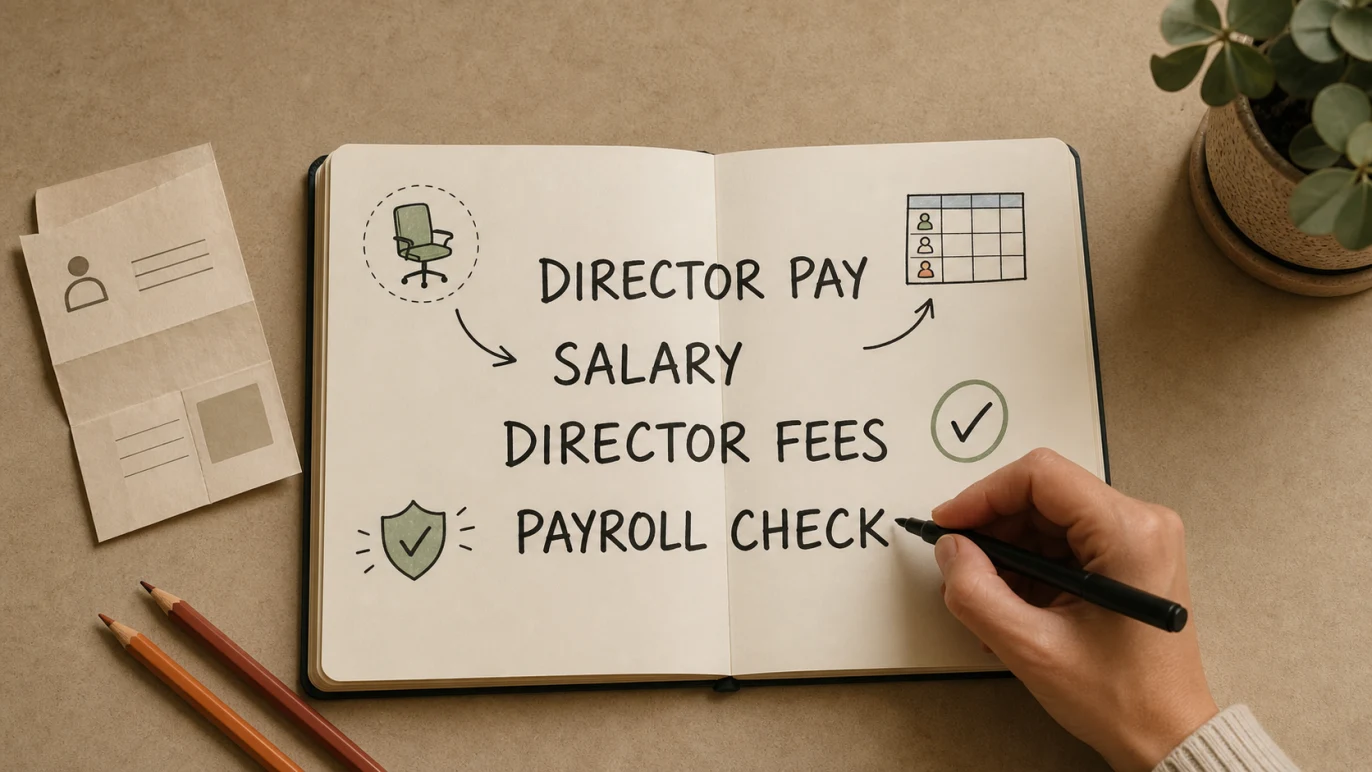
Can a Director Receive a Salary and Directors' Fees?
Learn when an Australian company director can receive salary and directors' fees, and how PAYG, STP, super and bookkeeping should work.
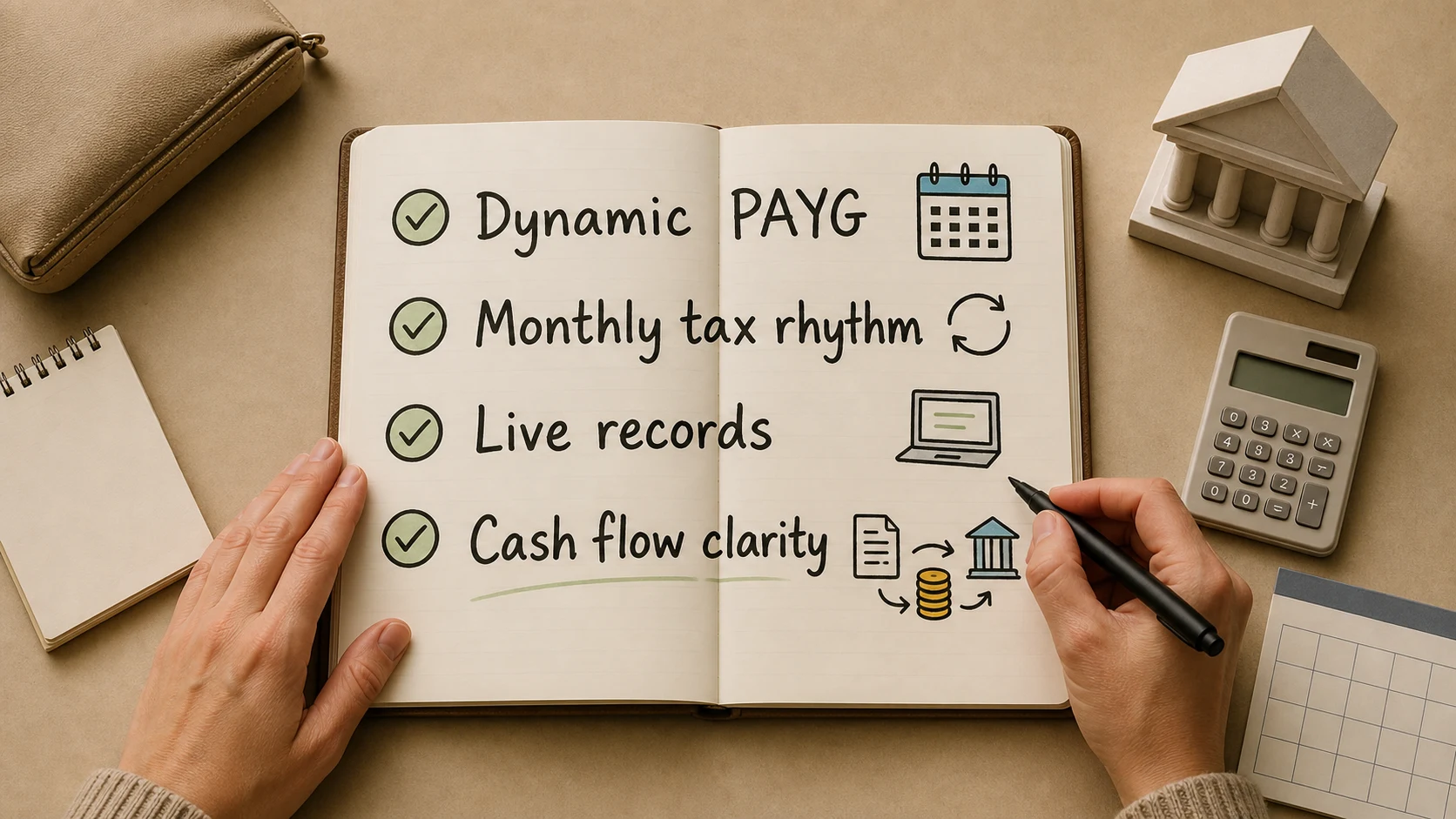
Dynamic PAYG Instalments: What the 2026 Budget Means for Small Business Cash Flow
The 2026-27 Budget expands dynamic PAYG instalments. Learn what monthly, software-led tax payments could mean for small-business cash flow.
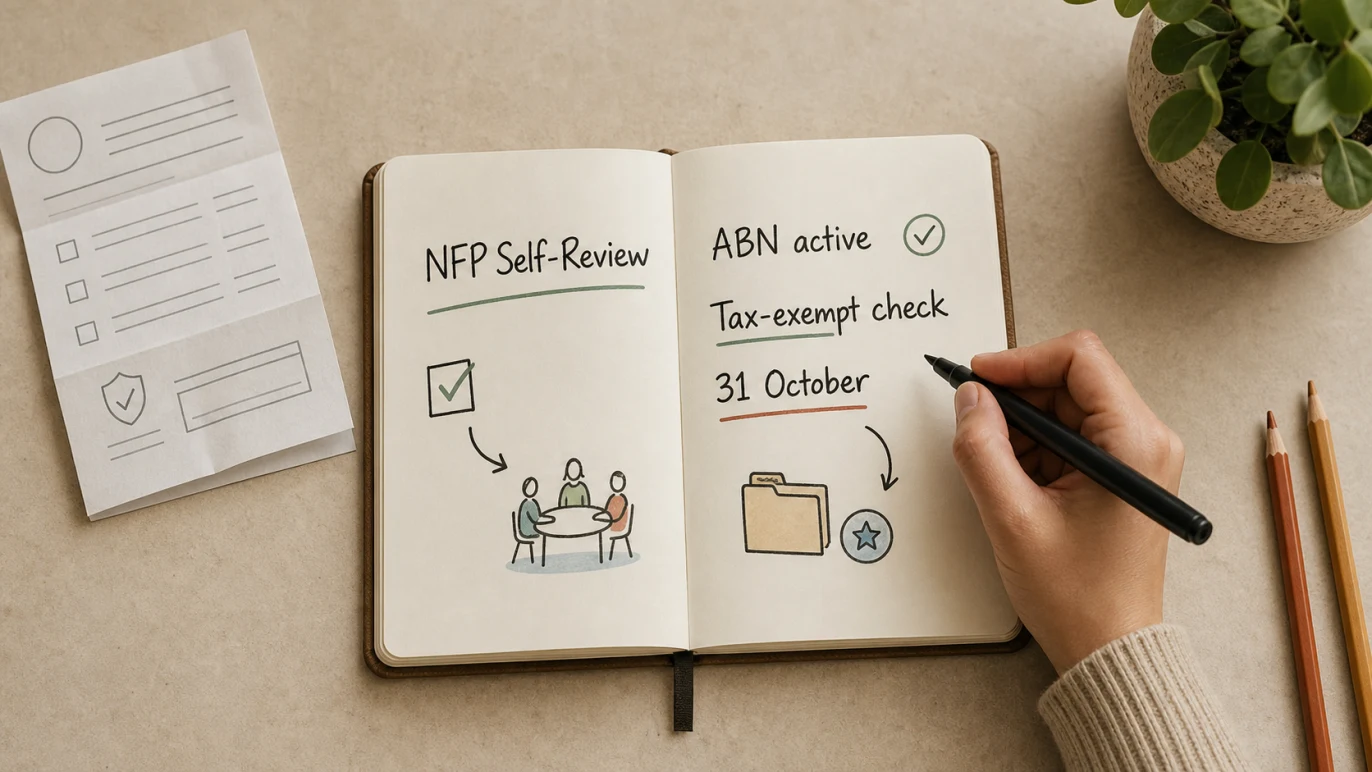
NFP Self-Review Return: 2026 Checklist for Australian Not-For-Profits
Australian NFPs with active ABNs may need to lodge an NFP self-review return. Use this 2026 bookkeeping checklist before 31 October.
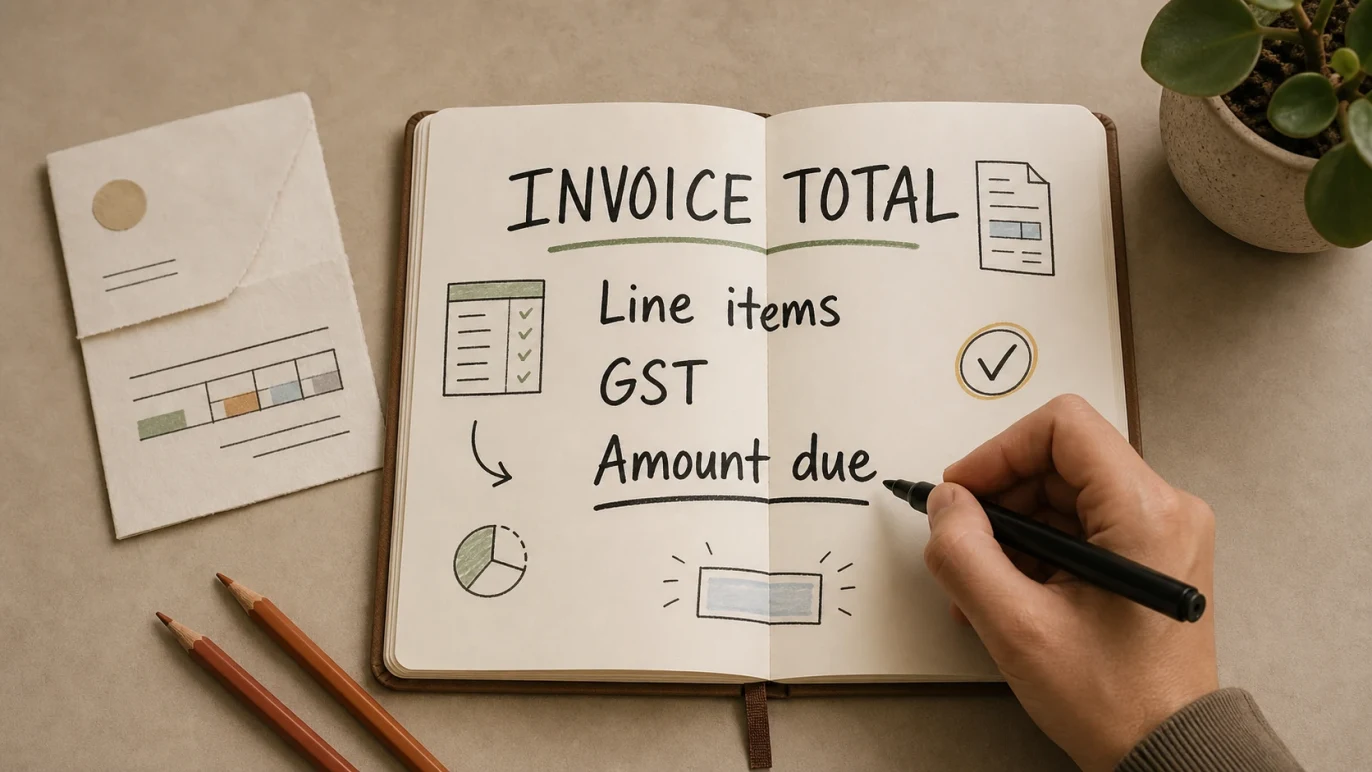
Invoice Total Amount Due: How to Add Line Items, GST and Payments
Learn how invoice line items, subtotal, GST, deposits, credits and payments combine into the total amount due on a small business invoice.
SBSCH Closed: Reconciling Payday Super After 1 July 2026
SBSCH is closed and Payday Super has started. Check June-quarter catch-up, seven-day payments, STP data, rejected contributions and records.
Canada Carbon Rebate for Small Businesses: Bookkeeping Steps for 2026
Record the non-taxable Canada Carbon Rebate in 2026 with clear CRA notice, bank reconciliation, GST/HST and T2 review steps for CCPCs.
GST InvoiceNow in Singapore: What Small Businesses Should Prepare
Singapore GST InvoiceNow phases in invoice-data submission through InvoiceNow. Learn who is affected, key dates and what to prepare.