Tax Returns
Every company in Australia, including those just starting out or running at a loss, needs to file a Company Tax Return with the Australian Taxation Office (ATO) each year. This return reports your company’s income, tax deductions and credits, and ultimately determines your company’s tax liability for the financial year. Even if you don’t owe any tax, filing a return is mandatory.
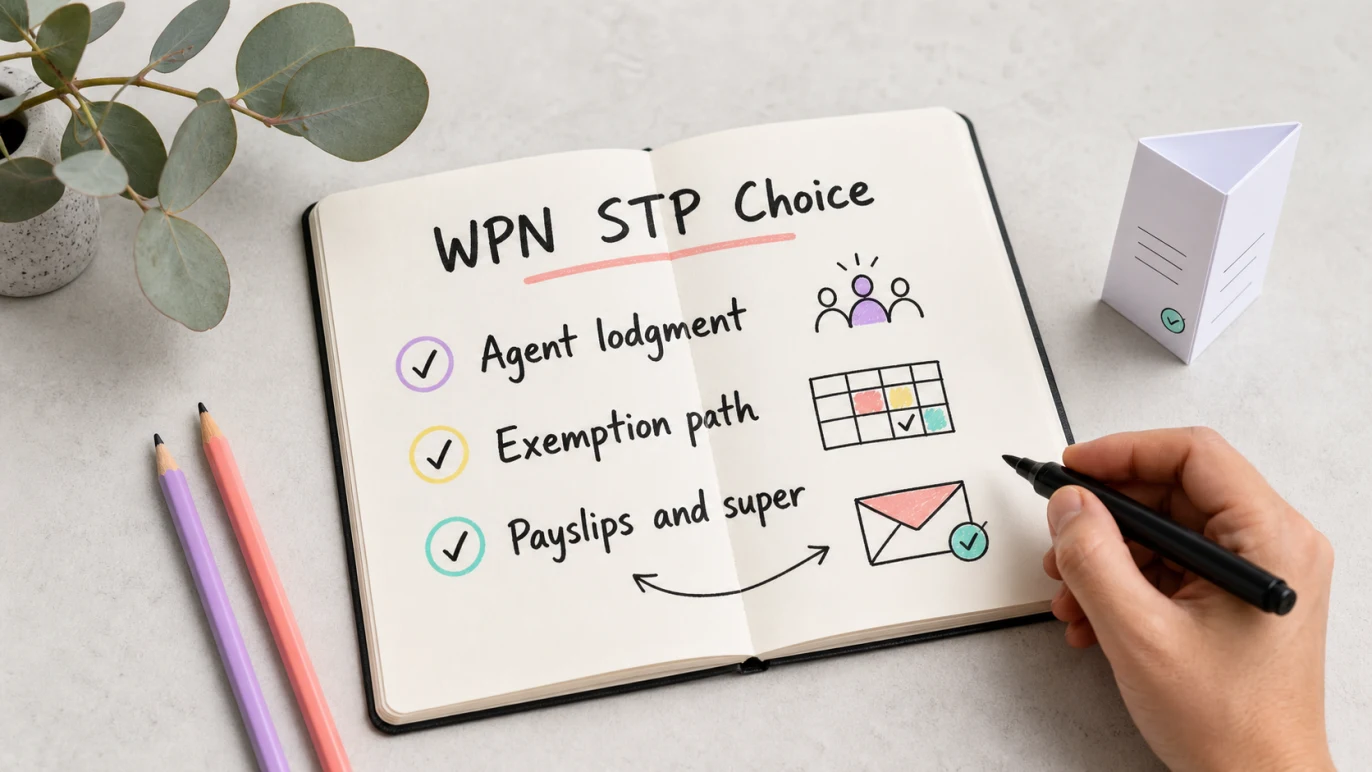
WPN Holders and STP: Agent Lodgment or Payment Summaries
WPN employers can use the STP exemption or lodge through an authorised agent. Review payment summaries, payroll records, payslips and super now.
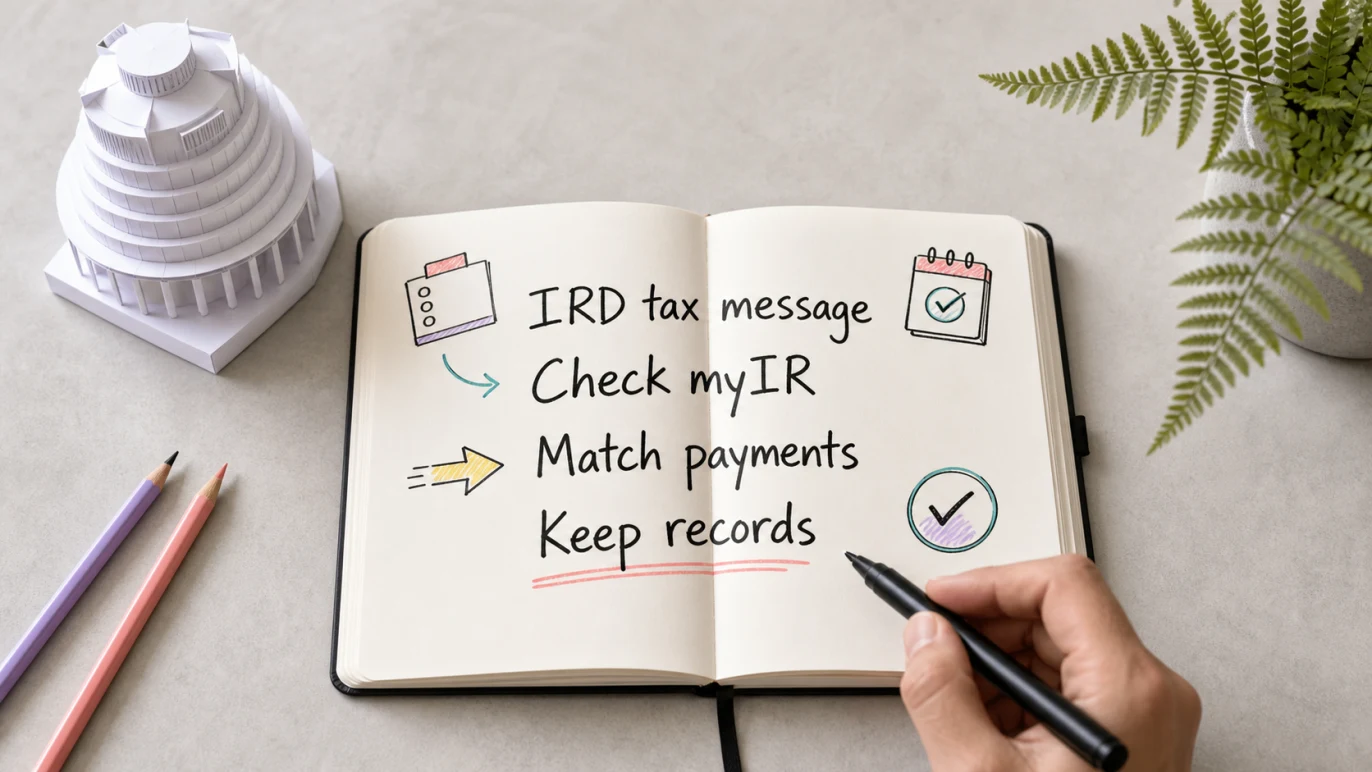
IRD Overdue Tax Messages: Records NZ Businesses Should Check
Inland Revenue is contacting some NZ customers about overdue tax from 10-19 June 2026. Check returns, payments, scams and records.
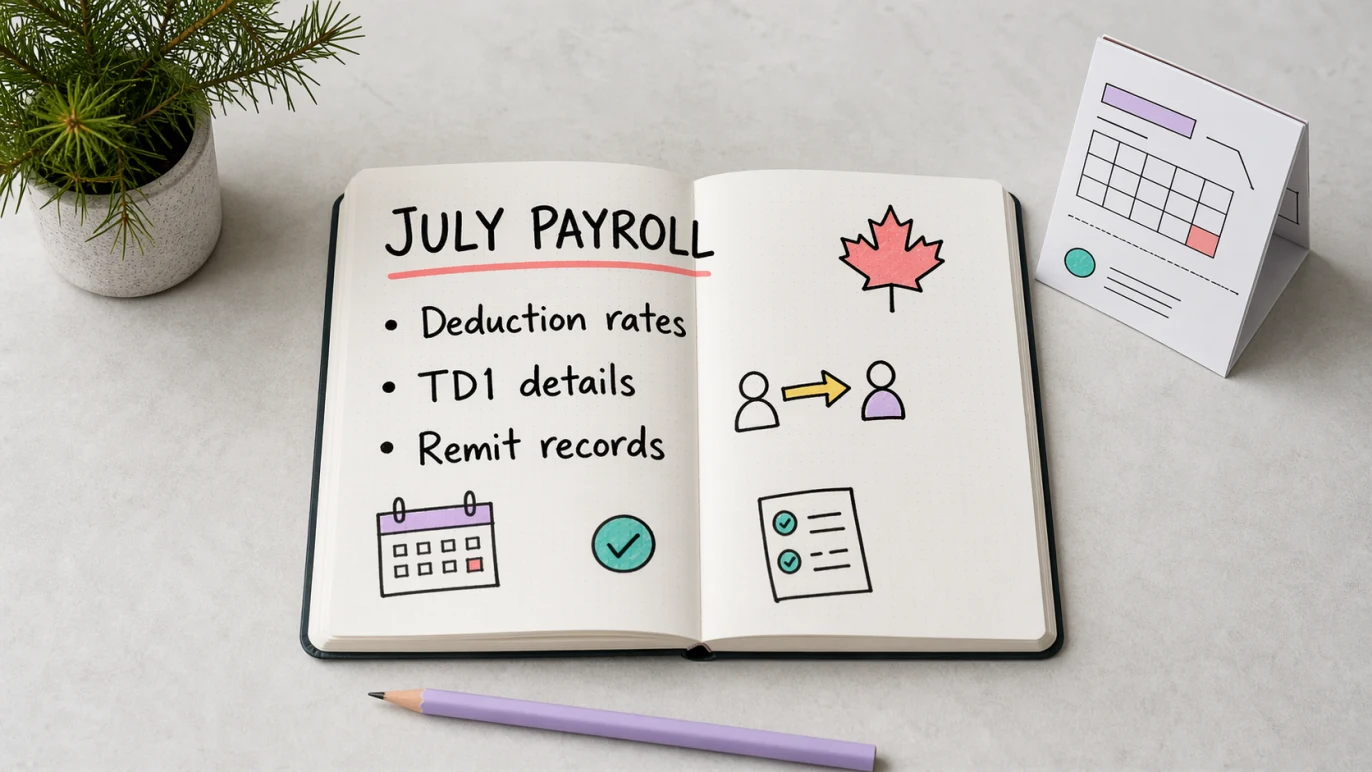
CRA July 2026 Payroll Updates: Checks After the First Pay Run
Review CRA's July 2026 payroll updates, provincial changes, PDOC calculations and deduction records after your first July pay run and before remittance.
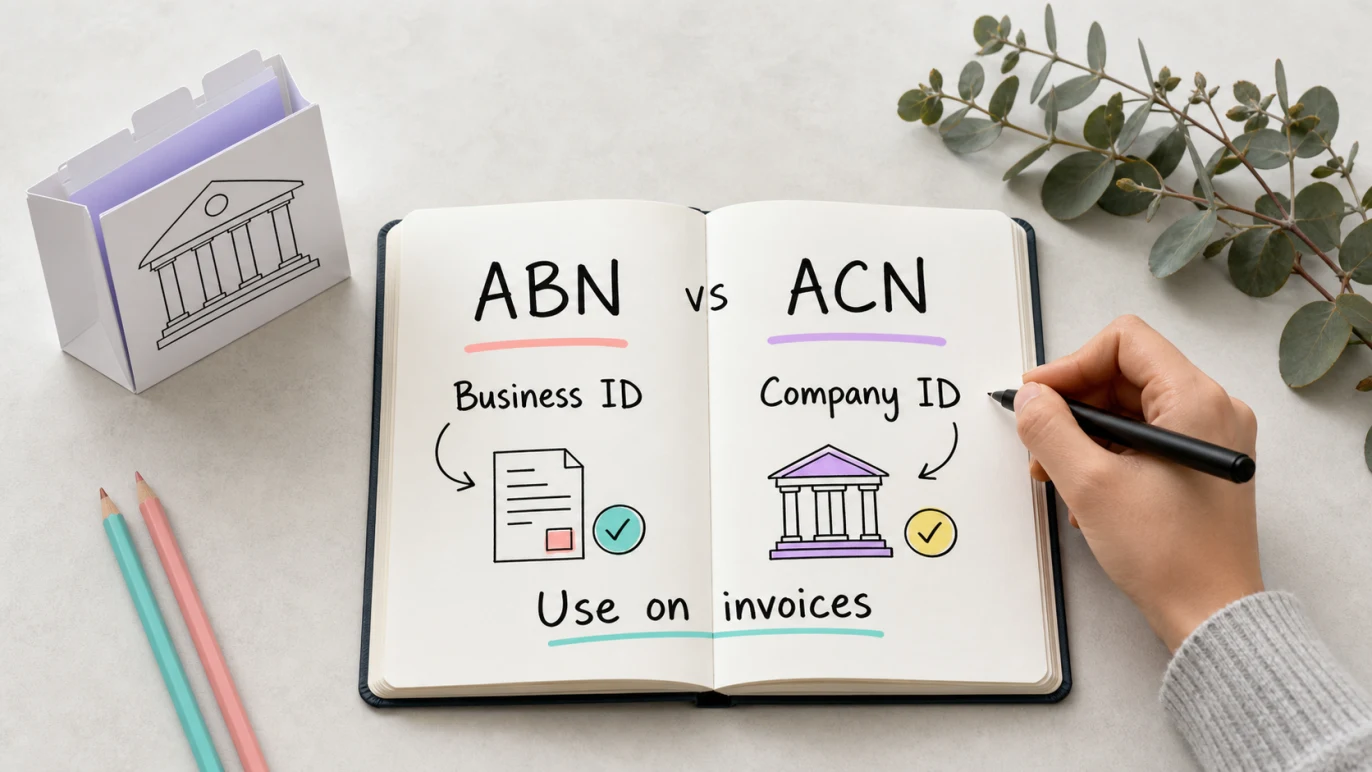
ABN vs ACN: What Is the Difference?
Learn the difference between ABN and ACN in Australia, when companies need both, and what to show on invoices and business records.
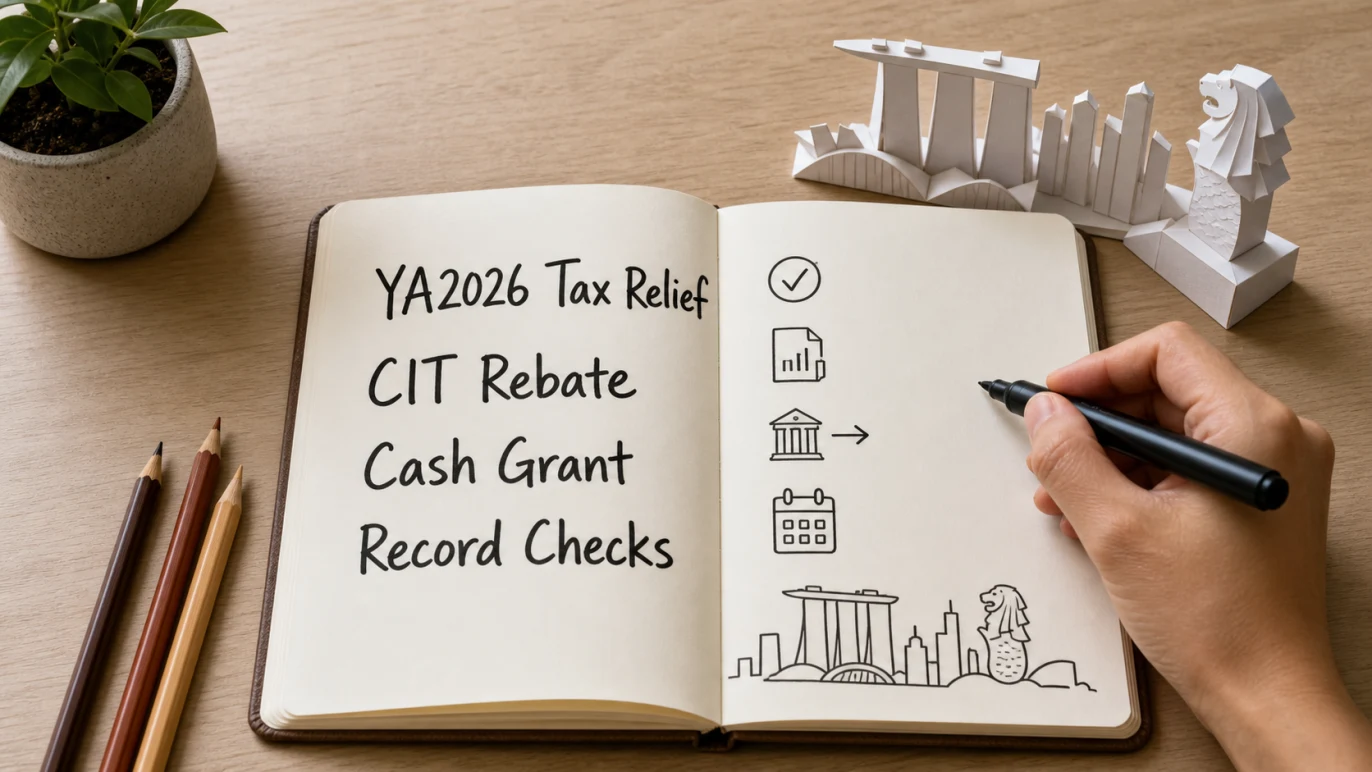
Singapore CIT Rebate and Cash Grant: YA 2026 Bookkeeping Checklist
Singapore companies can use this YA 2026 CIT rebate and cash grant checklist to track tax relief, CPF evidence, notices and bank receipts.

STP Finalisation 2026: Missed Deadline and Corrections
The 14 July 2026 STP deadline has passed. Learn what to do if you have not finalised, how to correct errors and which payroll records to keep.

Director Loan Account in Australia: What Company Owners Should Check
Learn what a director loan account is, when company money becomes a loan, and how Australian companies should review repayments and records.