Tax Returns
Every company in Australia, including those just starting out or running at a loss, needs to file a Company Tax Return with the Australian Taxation Office (ATO) each year. This return reports your company’s income, tax deductions and credits, and ultimately determines your company’s tax liability for the financial year. Even if you don’t owe any tax, filing a return is mandatory.
Free SBR-Enabled Software in Australia: BAS and STP Options
Looking for free SBR-enabled software in Australia? Compare BAS and STP options, ATO registration checks, plan limits and Gimbla Plus pricing.
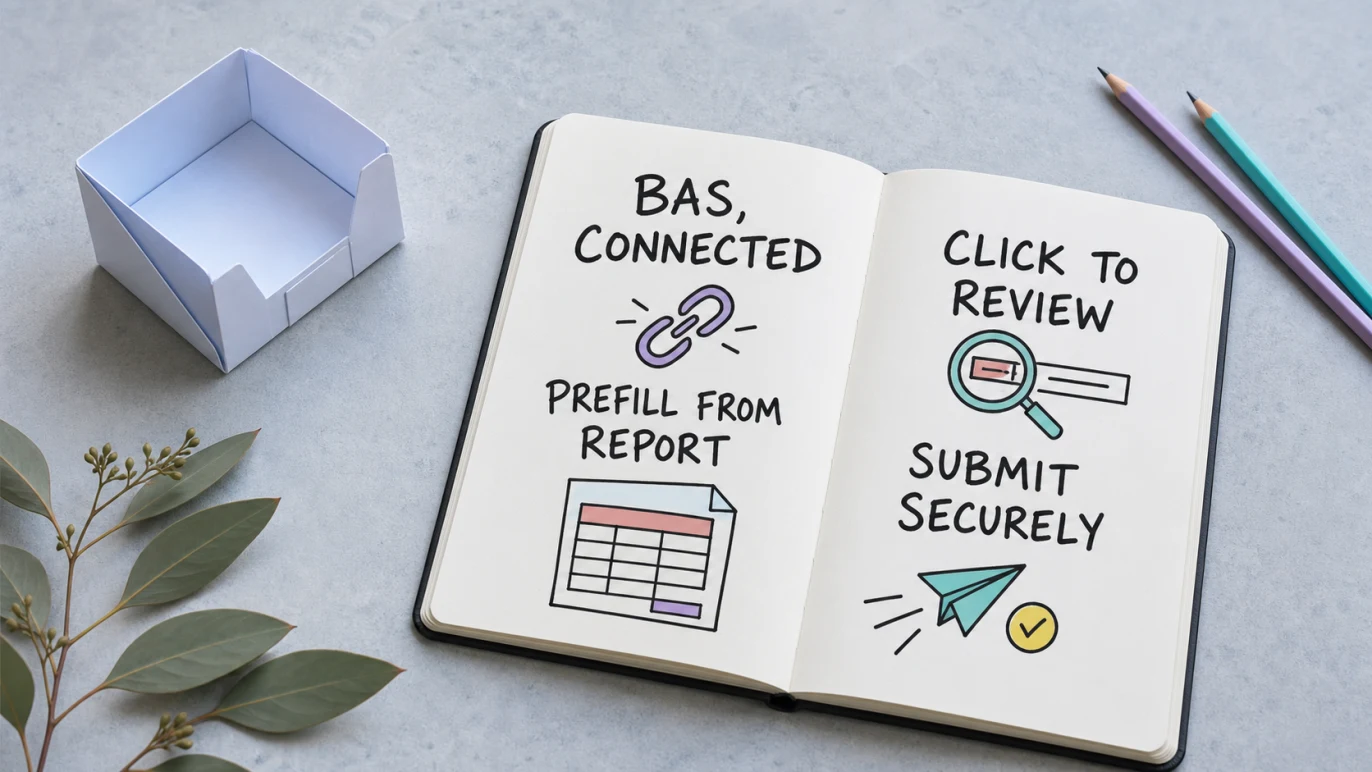
Gimbla Now Offers SBR-Enabled BAS Lodgment
Gimbla now offers SBR-enabled BAS lodgment, moving report figures into a prefilled statement with transaction drill-down before ATO submission.
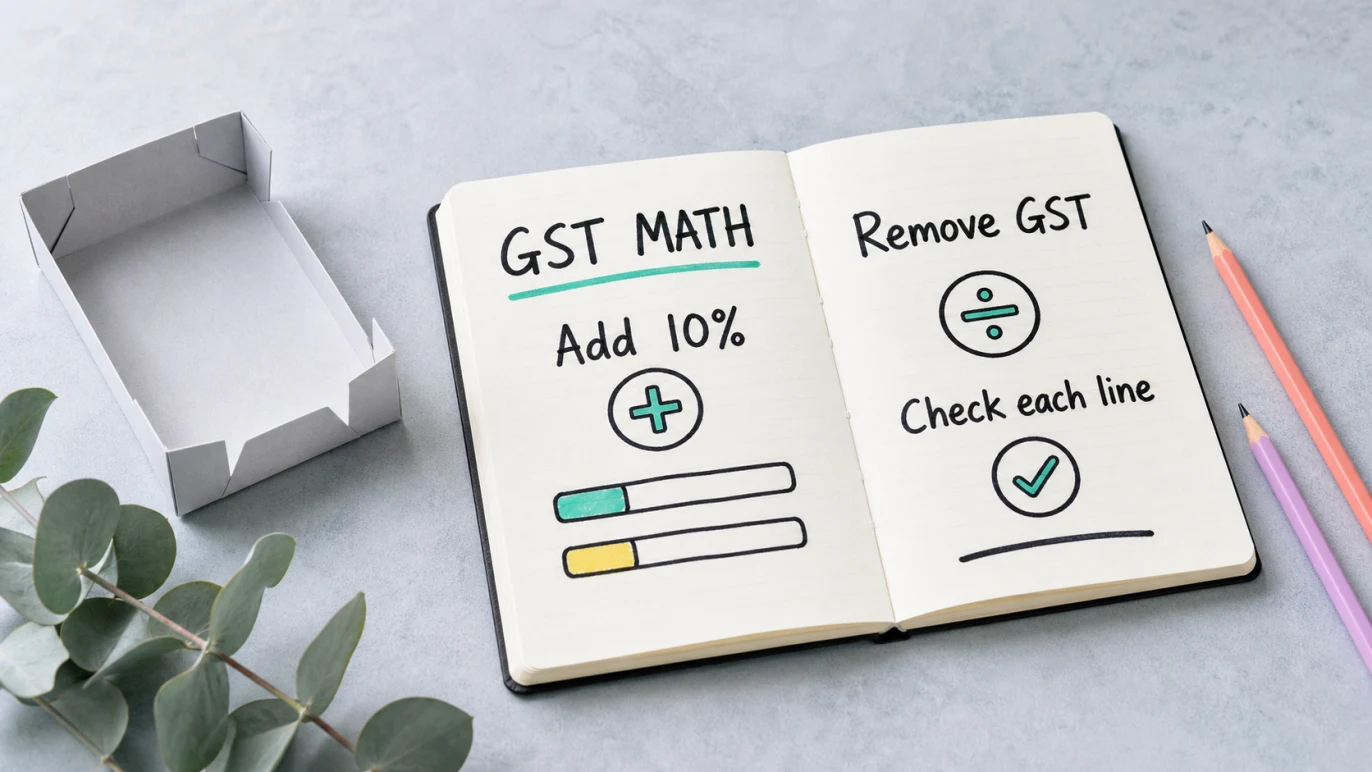
How to Add or Remove GST in Australia
Learn how to add or remove 10% GST in Australia, calculate mixed taxable and GST-free lines, handle discounts, and check invoice totals correctly.
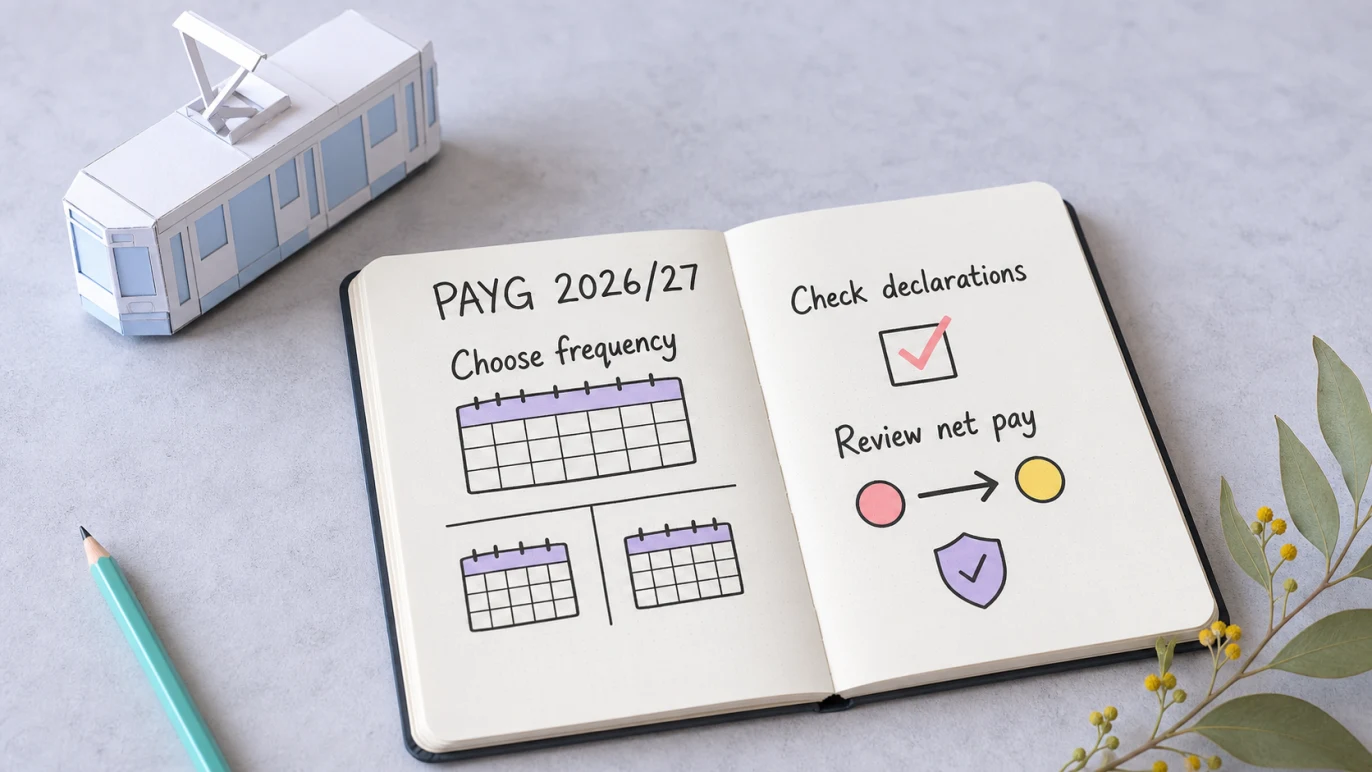
Weekly or Fortnightly PAYG Withholding: Using the 2026–27 Tax Tables
Learn which 2026–27 PAYG withholding table to use for weekly or fortnightly pay, how employee settings affect tax, and what to verify before each pay run.
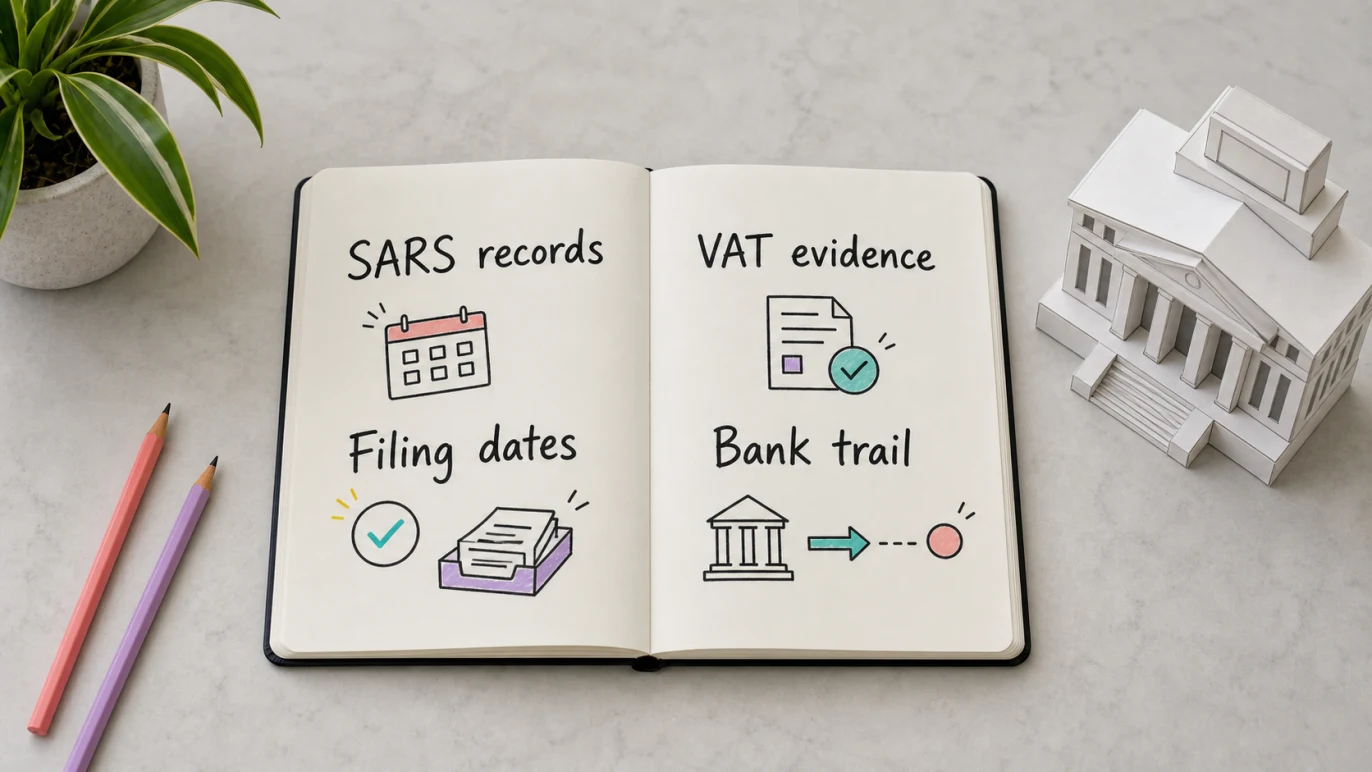
South Africa Tax Records To Check Before SARS Filing Season 2026
South African sole traders and small companies can use SARS Filing Season 2026 to check invoices, VAT, payroll, bank and CIPC records.
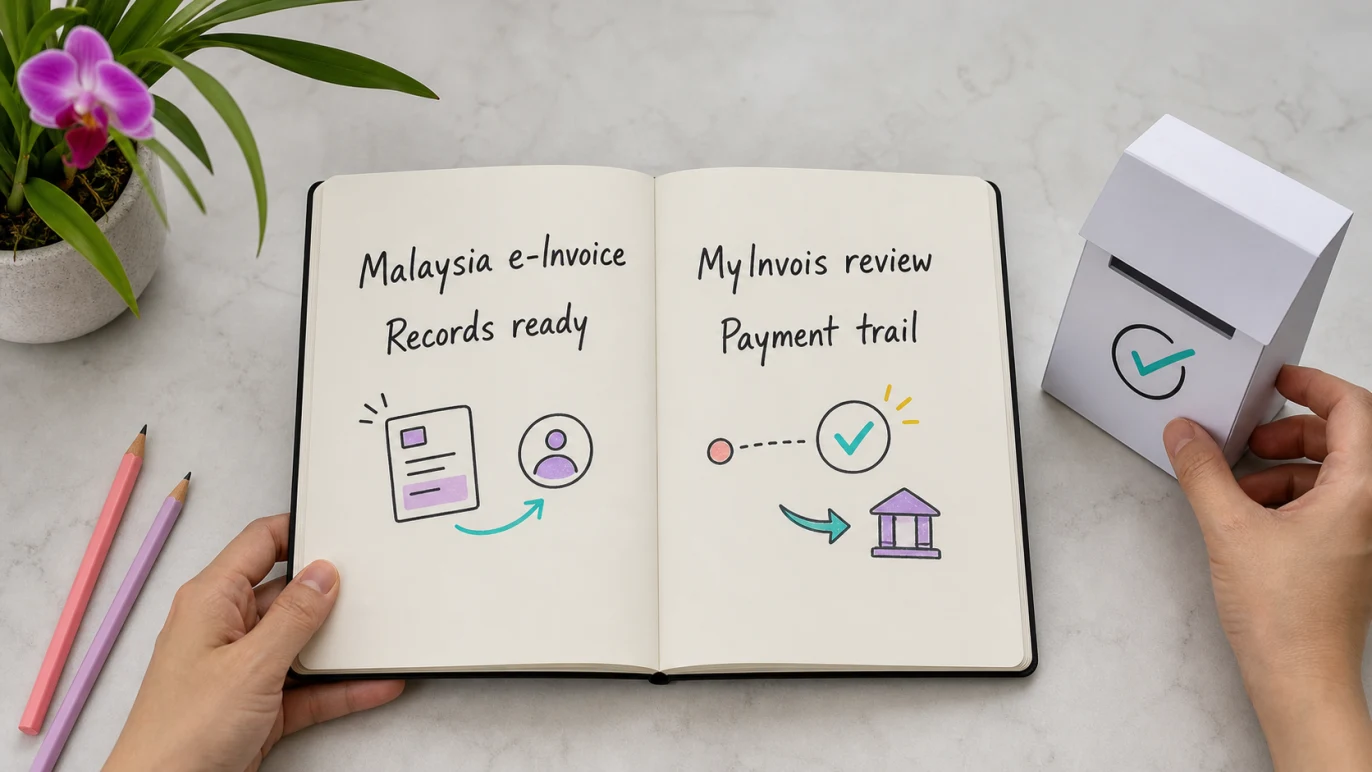
Malaysia e-Invoice Records Small Businesses Need for MyInvois
Prepare Malaysia e-Invoice records for MyInvois with current TIN, BRN, date, code and length checks, plus clean invoice and payment evidence.
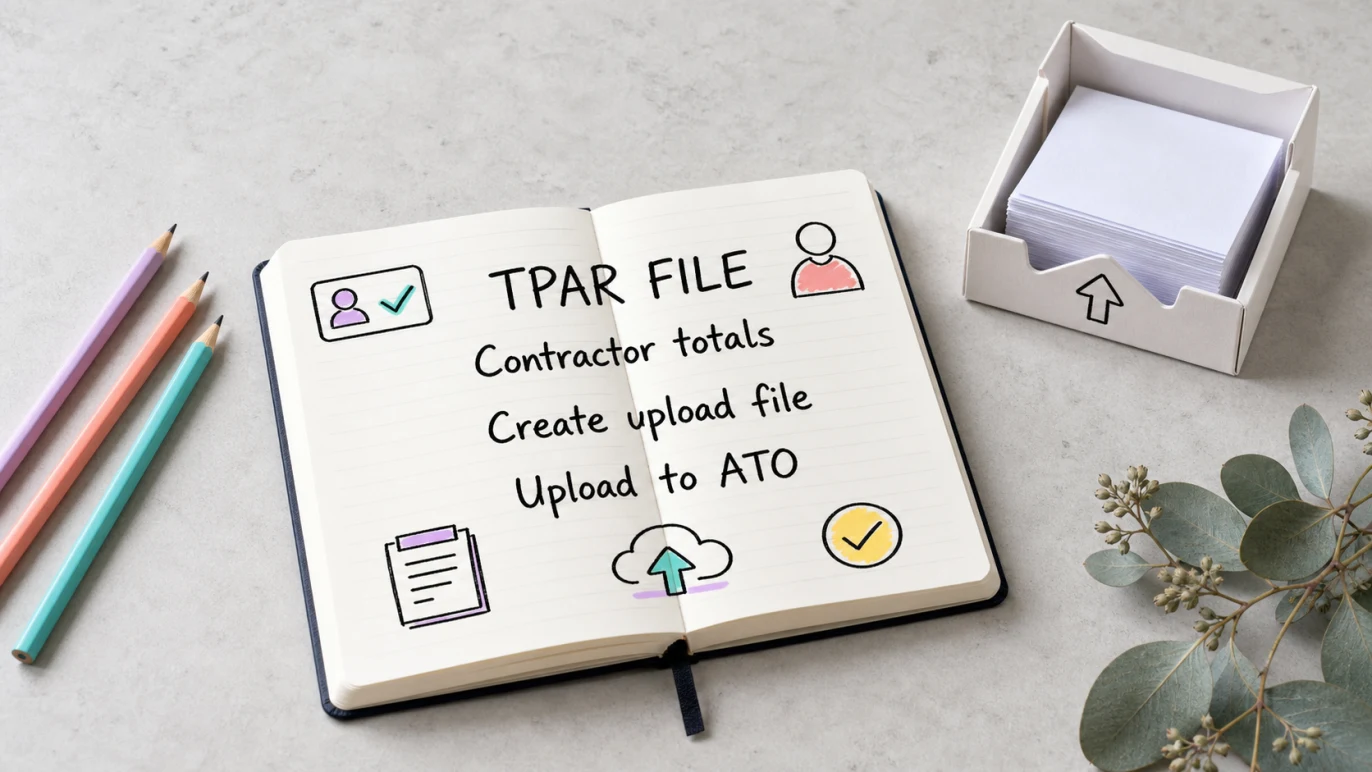
Media Release: Gimbla Launches Automated TPAR File Generation
Gimbla announces a new automated TPAR file generation tool to simplify end-of-year ATO reporting for Australian small businesses.