Bookkeeping
Bookkeeping is the day-to-day process of recording, organizing, and maintaining a business’s financial transactions. From tracking income and expenses to reconciling bank accounts and preparing for tax time, strong bookkeeping keeps financial records accurate and reliable. Good bookkeeping gives business owners a clearer view of cash flow, supports smarter planning, and reduces the risk of reporting errors. Whether handled manually or through accounting software, it forms the foundation for healthy financial management.

What Is a Charity and Why Do They Need Accounting Software?
Learn why Australian charities need accounting software for donations, grants, ACNC records, GST, reporting and confident governance.
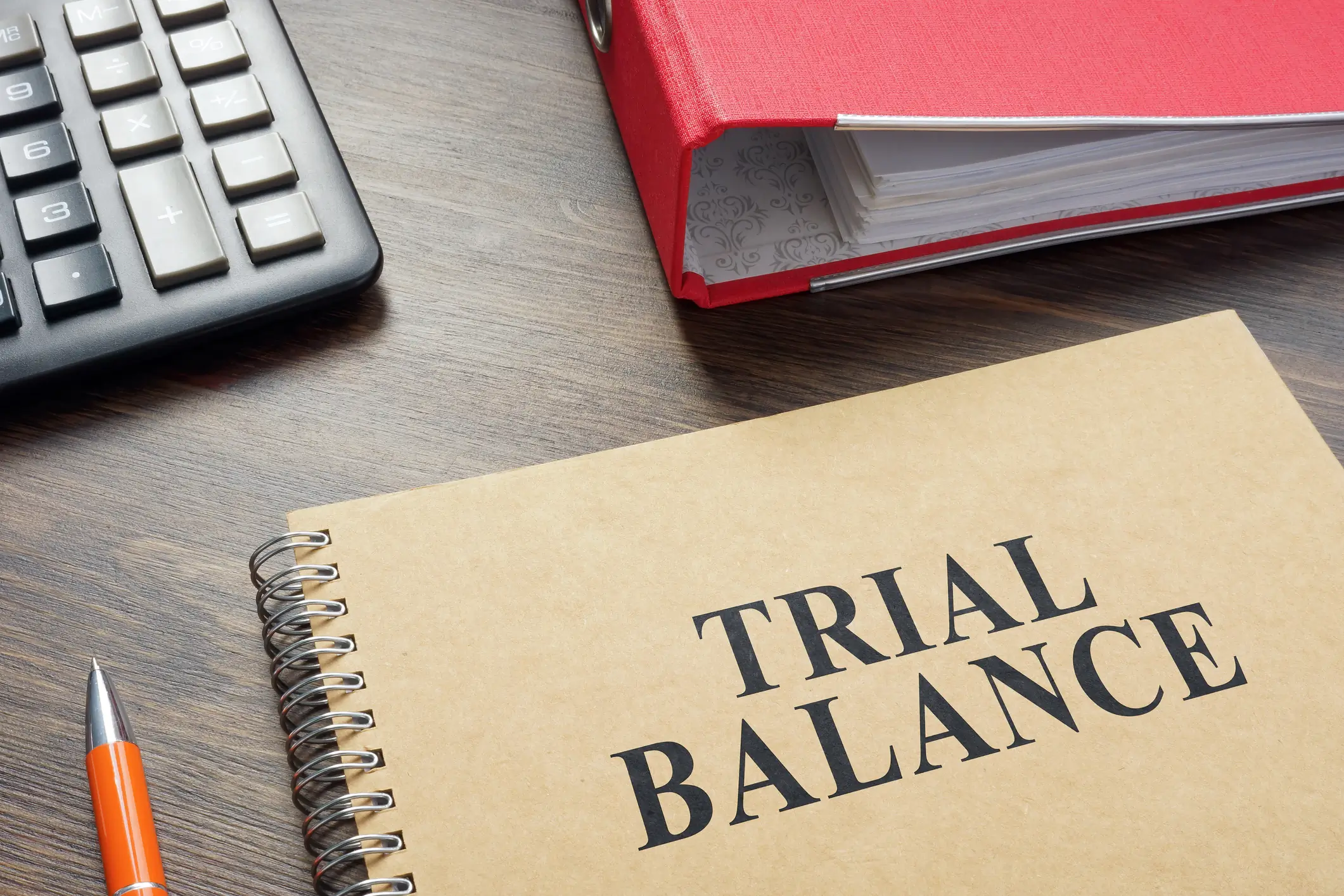
What Is a Trial Balance in Accounting?
Understand what a trial balance is, how debits and credits are checked, what errors it catches and how it supports financial statements.
What Is the Best Accounting Software for Small Businesses?
Learn how to choose the best accounting software for small business, including invoices, bills, bank reconciliation, GST, reports and price.

AI for Small Business: Practical Ways to Use It Safely
Learn practical ways Australian small businesses can use AI for bookkeeping, customer service and admin while managing privacy, accuracy and cyber risk.

How to Write an Effective Business Plan
Learn how to write a practical business plan with market research, cash flow forecasts, financial records and clear next steps for Australian small businesses.
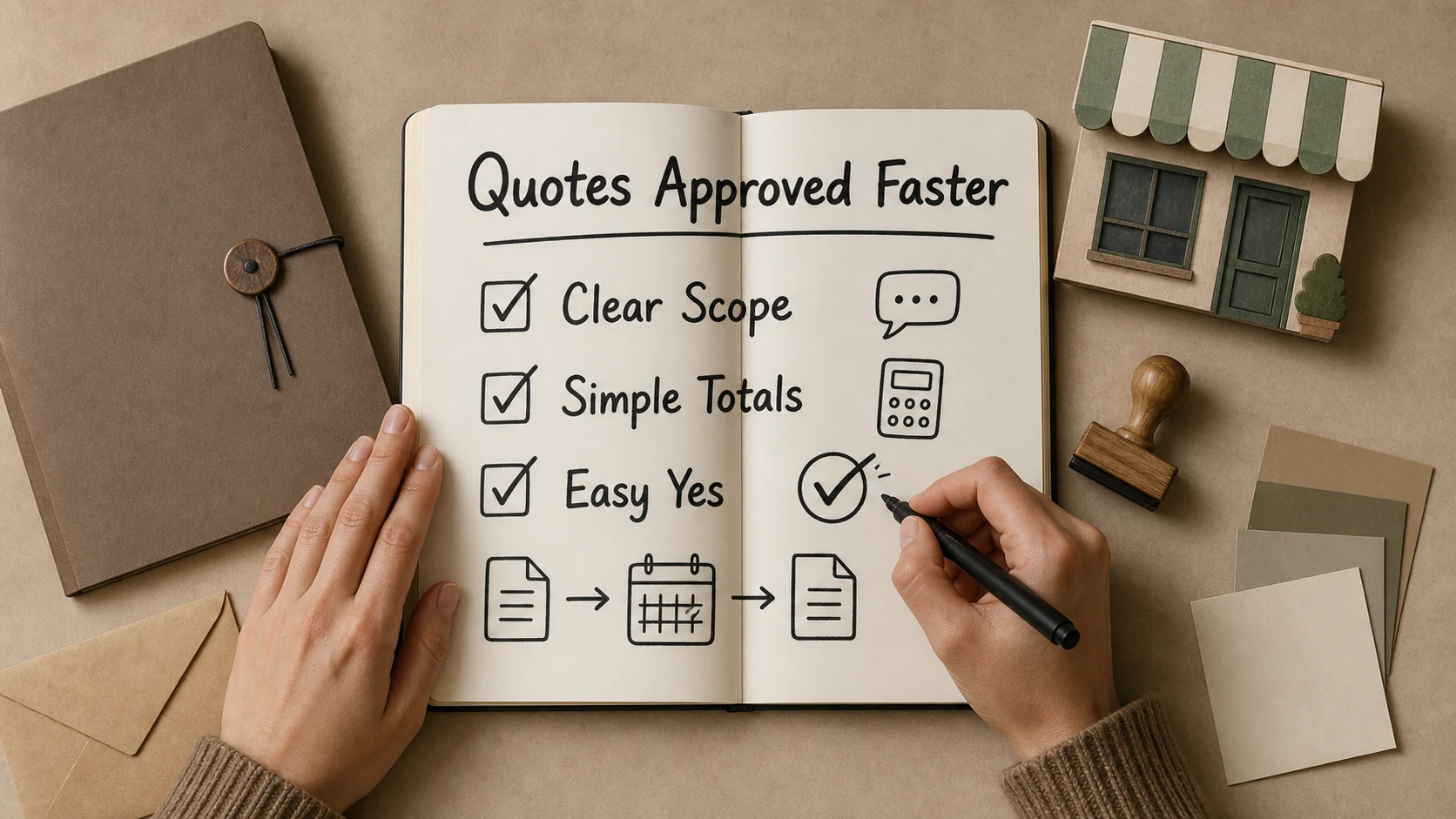
How to Get Quotes Approved Faster
Learn how small businesses can get quotes approved faster with clear scope, itemised pricing, simple acceptance steps and tidy follow-up habits.
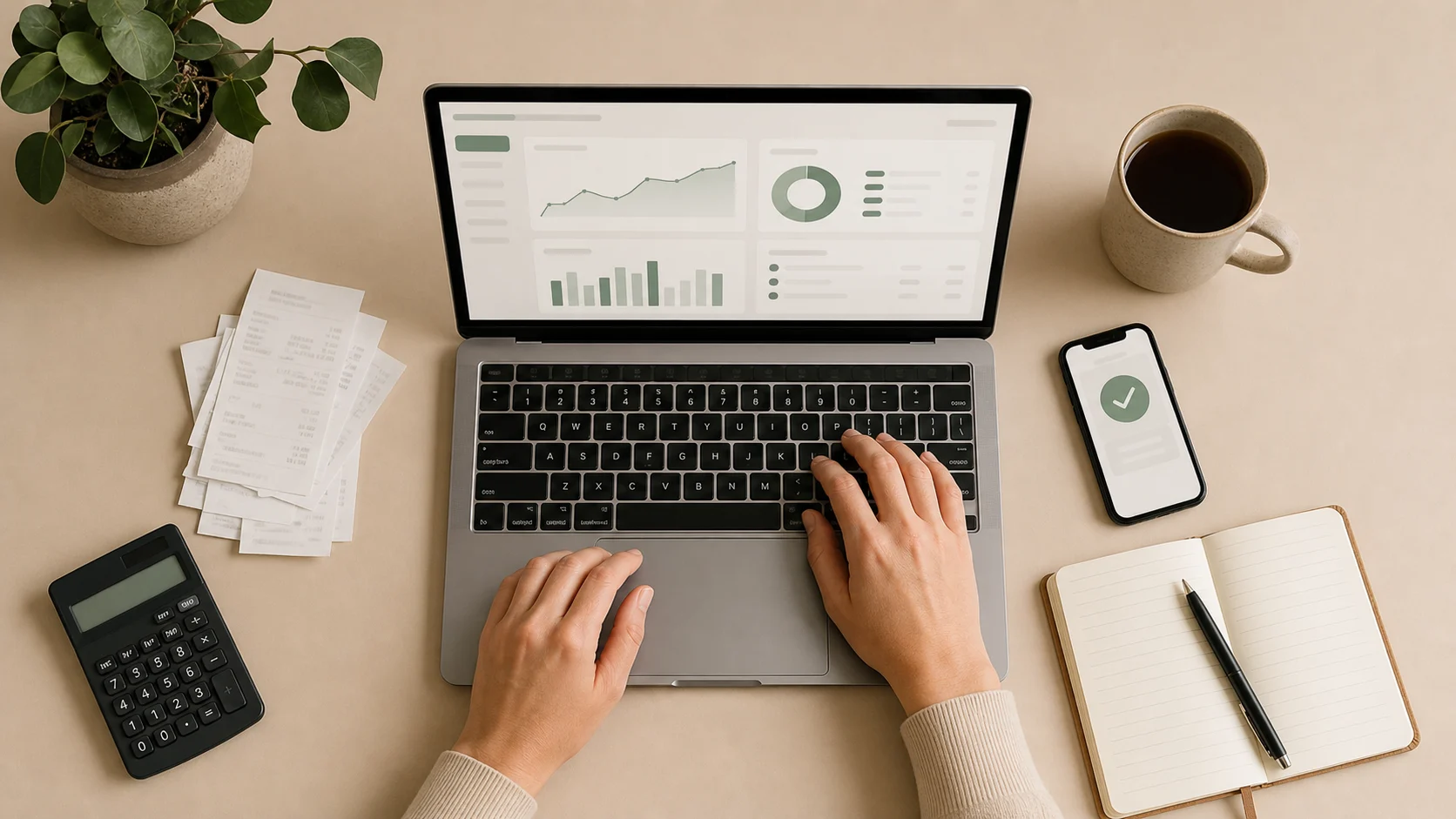
Do Australian Sole Traders Need Accounting Software?
Do sole traders need accounting software in Australia? Learn when spreadsheets are enough, when software helps, and what ATO records you must keep.