Accounts Receivable Ageing: How to Get Paid Faster Without Awkward Chasing
Published May 10th, 2026 | Team Gimbla
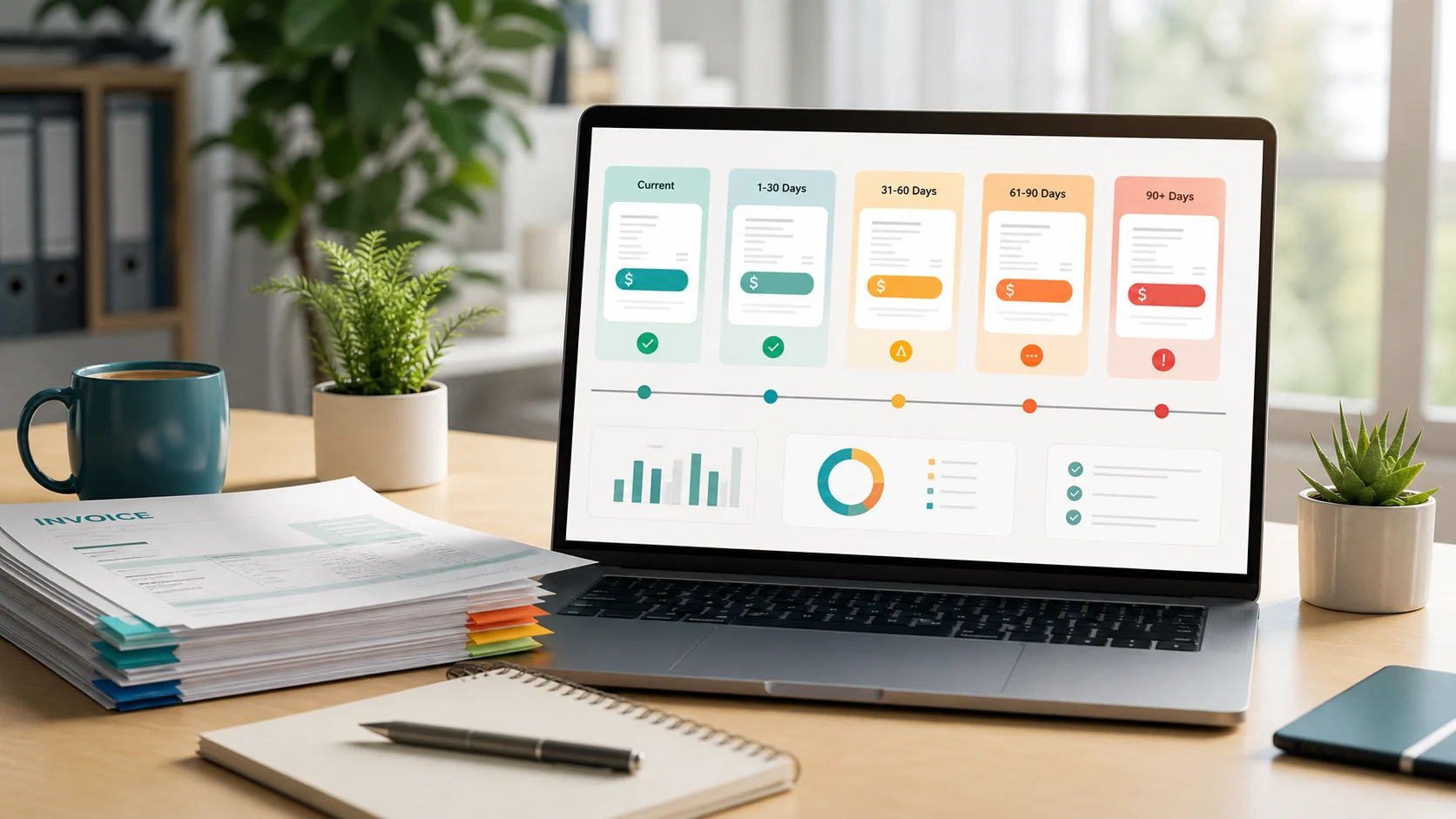
Accounts receivable ageing is a simple way to see which customer invoices are unpaid and how long they have been outstanding. It turns a vague feeling of “people owe us money” into a clear list you can act on.
If you are new to the term, start with the accounts receivable glossary. Then pair this article with our guide to managing invoices and payment reminders.
Getting paid faster is not about being pushy. It is about making payment easy, following up consistently, and fixing invoice issues before they become disputes.
What Is Accounts Receivable Ageing?
An accounts receivable ageing report groups unpaid invoices by how long they have been outstanding. A common layout looks like this:
| Ageing bucket | What it means | Action |
|---|---|---|
| Current | Not due yet | No chase needed |
| 1-30 days overdue | Recently overdue | Send a friendly reminder |
| 31-60 days overdue | Payment is slipping | Follow up personally |
| 61-90 days overdue | Higher collection risk | Escalate and confirm the dispute status |
| 90+ days overdue | Serious risk | Consider a payment plan, credit hold or write-off review |
The report helps you focus on the invoices that need attention first.
Why Ageing Matters for Cash Flow
Every unpaid invoice is money you have earned but cannot use yet. That affects your cash flow, even if your Profit and Loss looks healthy.
Slow receivables can create pressure when you need to pay wages, suppliers, rent, tax or super. This is why accounts receivable should be reviewed alongside accounts payable and your cash budget.
How to Reduce Overdue Invoices
1. Make the Invoice Clear
A clear invoice removes excuses for delay. Include:
- the customer name and contact
- invoice date and due date
- item descriptions
- tax treatment, if applicable
- payment instructions
- your contact details for questions
In Gimbla, use the create an invoice guide to create and send invoices with the right customer, due date and line item details.
2. Send the Invoice Promptly
The longer you wait to invoice, the longer you wait to get paid. For project work, send invoices as soon as the milestone is complete. For recurring services, keep a fixed billing day so customers know what to expect.
3. Use Friendly Reminder Stages
A simple reminder sequence can be enough:
| Timing | Message |
|---|---|
| Before due date | ”Just a reminder this invoice is due soon.” |
| 1-7 days overdue | ”This looks overdue. Can you confirm payment timing?“ |
| 14-30 days overdue | ”Please let us know if there is an issue with the invoice.” |
| 30+ days overdue | ”We need to agree a payment date or payment plan.” |
Keep the tone polite and direct. Most late payments are caused by admin delays, missing approvals or unclear payment details.
4. Match Payments Quickly
When money arrives, match it to the invoice as soon as possible. The mark an invoice as paid guide shows how to record the payment in Gimbla.
For payments that arrive through the bank feed, reconcile them through the bank reconciliations guide. This keeps your ageing report clean and prevents staff from chasing invoices that have already been paid.
5. Handle Credits and Overpayments Properly
Sometimes an invoice is unpaid because the amount is wrong, the customer returned goods, or they paid too much on a different invoice.
Use the right workflow:
- Record a credit note when the customer no longer owes the full invoice amount.
- Record an overpayment when the customer pays more than required.
- Apply credits to invoices where appropriate so the customer balance is accurate.
Accounts Receivable Ageing Checklist
Review your ageing report at least monthly and ask:
- Are there invoices that should have been paid already?
- Are any invoices missing payment details?
- Are disputed invoices clearly marked and being followed up?
- Are old balances genuine debts or should they be credited?
- Are repeat late payers being given too much credit?
- Does the unpaid invoice total match your expectations from recent sales?
If the total is growing each month, your invoicing and follow-up process needs attention.
Final Thought
Accounts receivable ageing is one of the most useful reports a small business can review. It connects sales, customer service and cash flow in one place.
Keep invoices clear, send them promptly, follow up consistently and reconcile payments quickly. The process is simple, but the impact on cash flow can be huge.