Bookkeeping
Bookkeeping is the day-to-day process of recording, organizing, and maintaining a business’s financial transactions. From tracking income and expenses to reconciling bank accounts and preparing for tax time, strong bookkeeping keeps financial records accurate and reliable. Good bookkeeping gives business owners a clearer view of cash flow, supports smarter planning, and reduces the risk of reporting errors. Whether handled manually or through accounting software, it forms the foundation for healthy financial management.
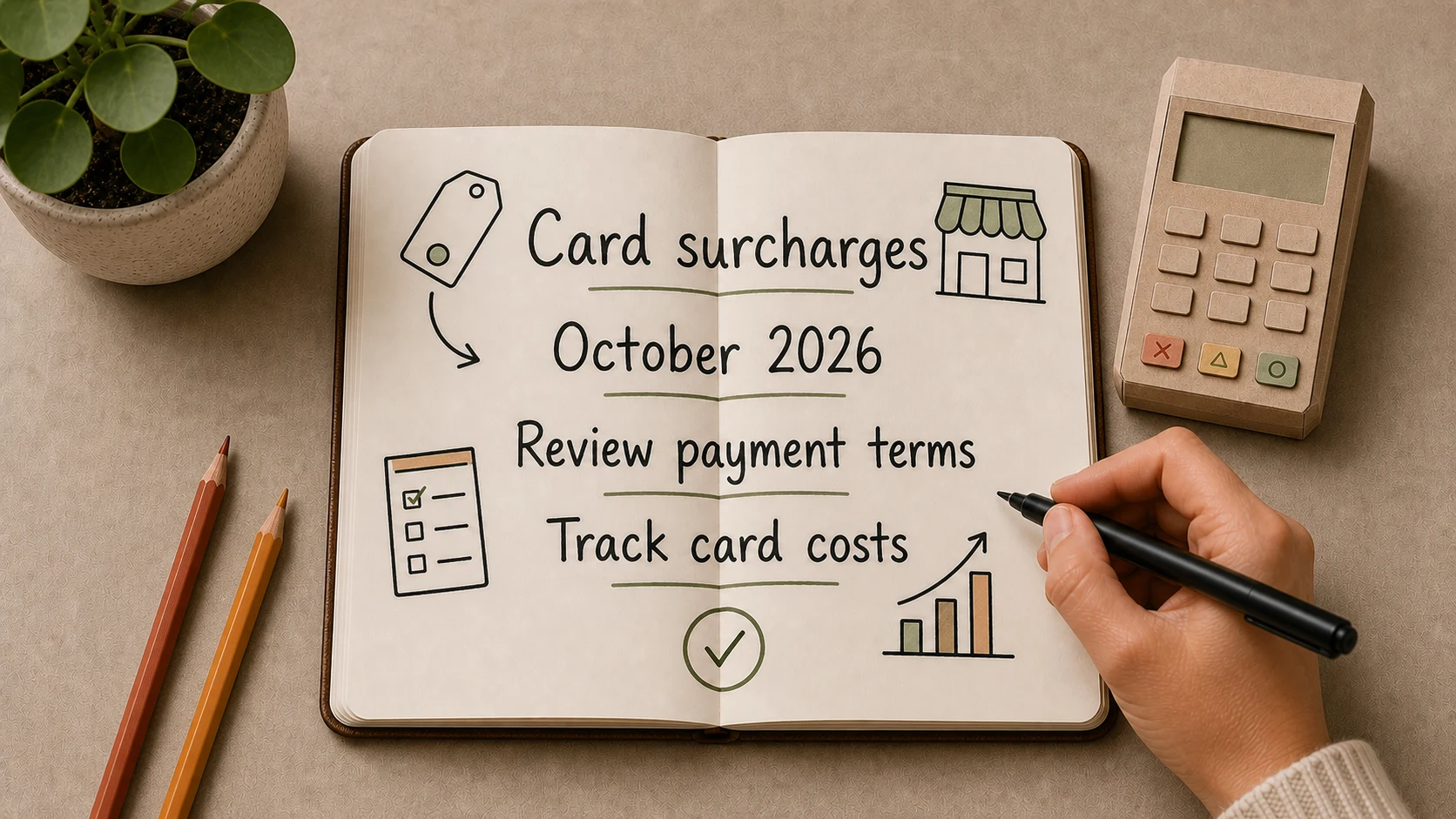
Card Surcharge Changes in Australia: What Small Businesses Should Do Before October 2026
Learn what Australia's October 2026 card surcharge changes mean for small businesses, invoices, pricing, payment terms and bookkeeping.

Benefits of Free Accounting Software for Irish Small Businesses
Explore how free accounting software helps Irish small businesses track invoices, VAT records, expenses, cash flow and accountant-ready reports.
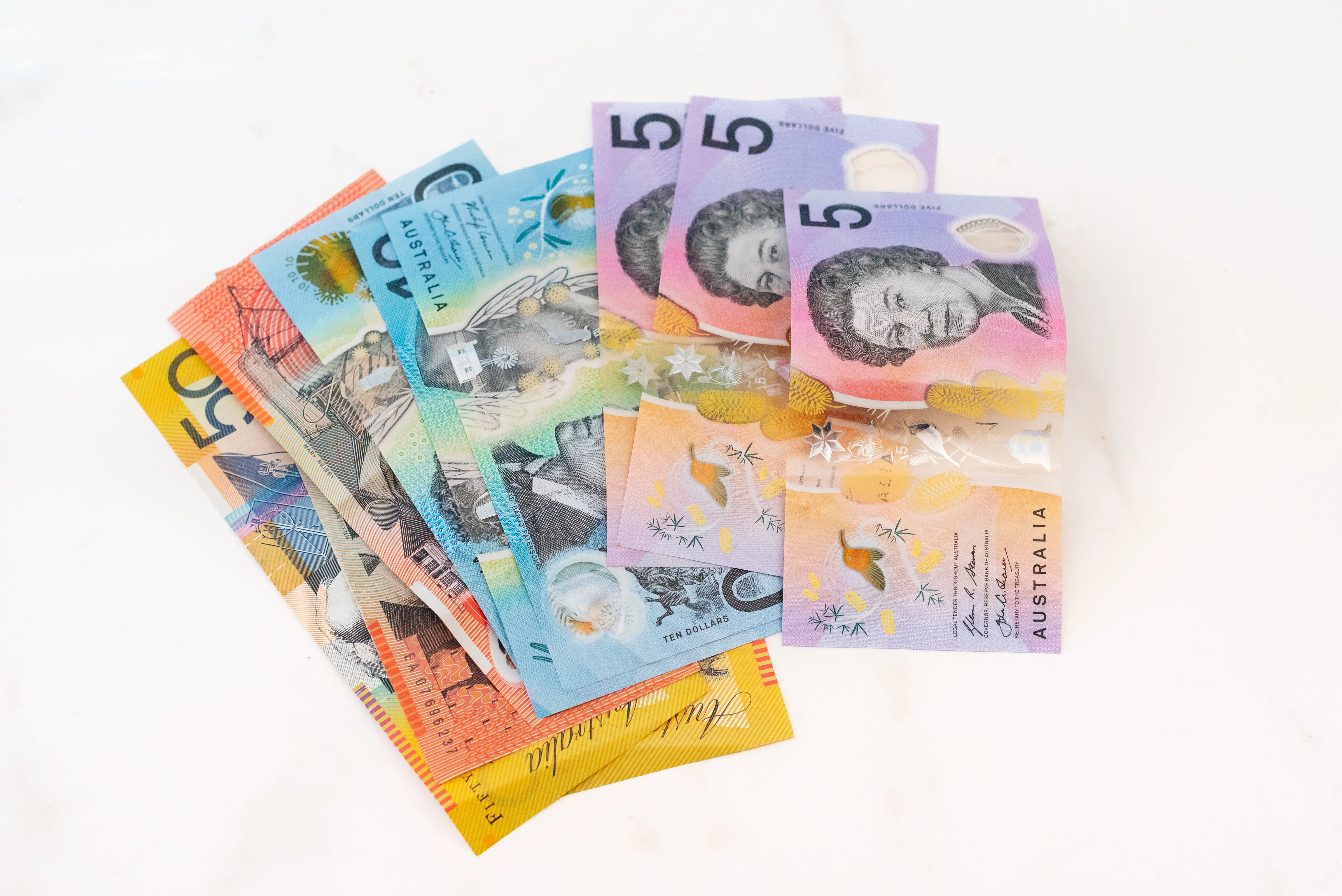
Accounting Packages in Australia: 2026 Small Business Checklist
Compare accounting packages in Australia by GST, BAS, STP, bank reconciliation, reports, price, free plans and switching effort.
Mastering Your Cash Flow: A Simple Guide for Small Businesses
Learn how to forecast, review and improve small business cash flow using invoices, bills, bank reconciliation and practical reporting habits.
What Is Profit and Loss? P&L Meaning, Formula and Example
Learn what profit and loss means, how a P&L statement works, and how small businesses read profit beside cash flow, GST and unpaid bills.

Accounting Software for Photographers: Invoices, Expenses and Shoot Profitability
A practical guide to accounting software for photographers, covering invoices, deposits, GST, expenses, equipment, reports and cash flow.
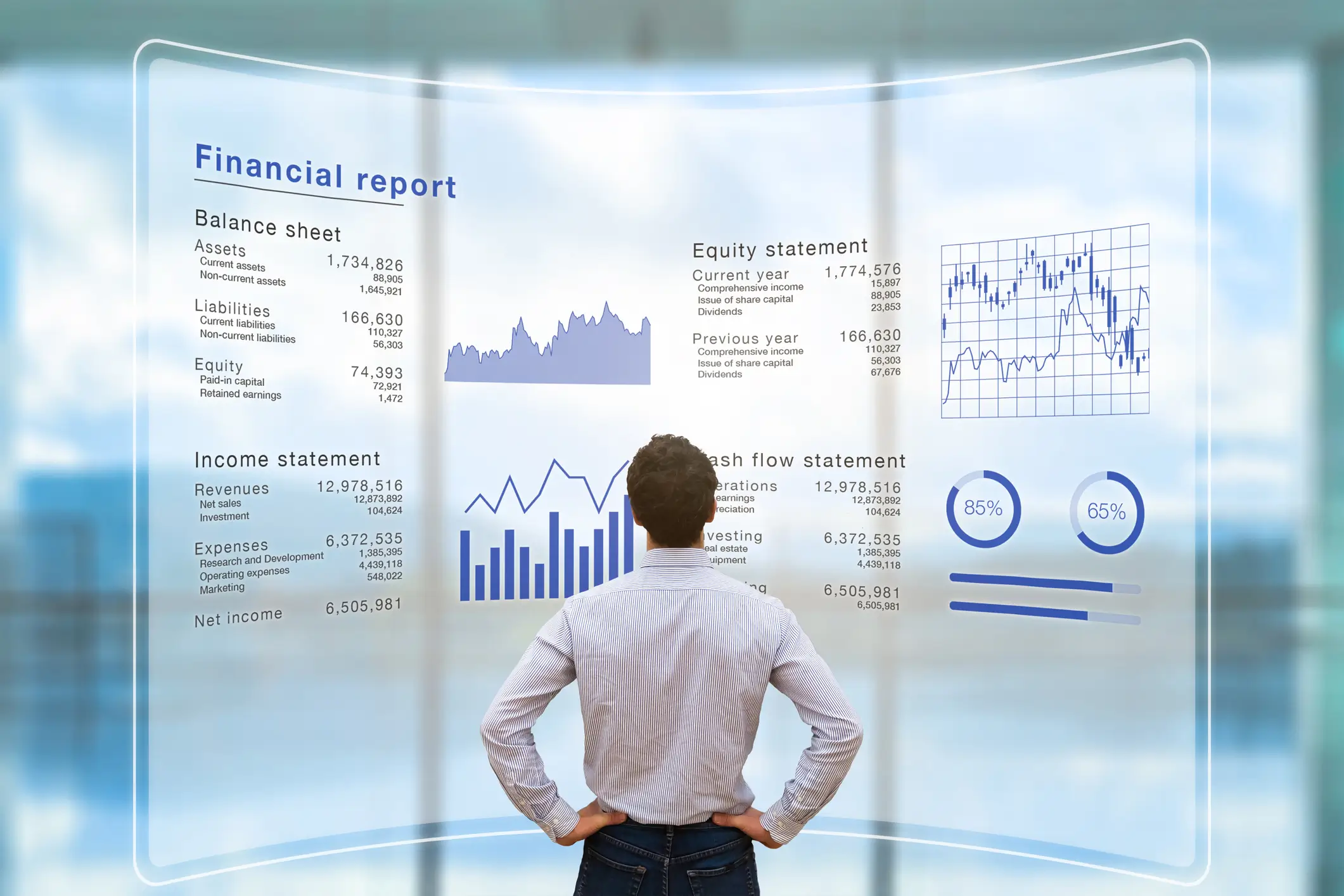
What Is a Balance Sheet in Accounting?
Learn what a balance sheet shows, how assets, liabilities and equity connect, and how small businesses can use it with P&L and cash flow.