- Overview
- Quick Answer
- Key Points
- What Gets Compared in a Bank Reconciliation?
- Why Bank Reconciliation Matters for Small Businesses
- How to Reconcile a Bank Account
- Manual Reconciliation vs Bank Feeds
- Common Bank Reconciliation Mistakes
- A Practical Reconciliation Rhythm
- Frequently Asked Questions
- Final Thought
What Is Bank Reconciliation and Why Does It Matter for Small Businesses?
Published April 19th, 2026 | Updated May 24th, 2026 | Team Gimbla
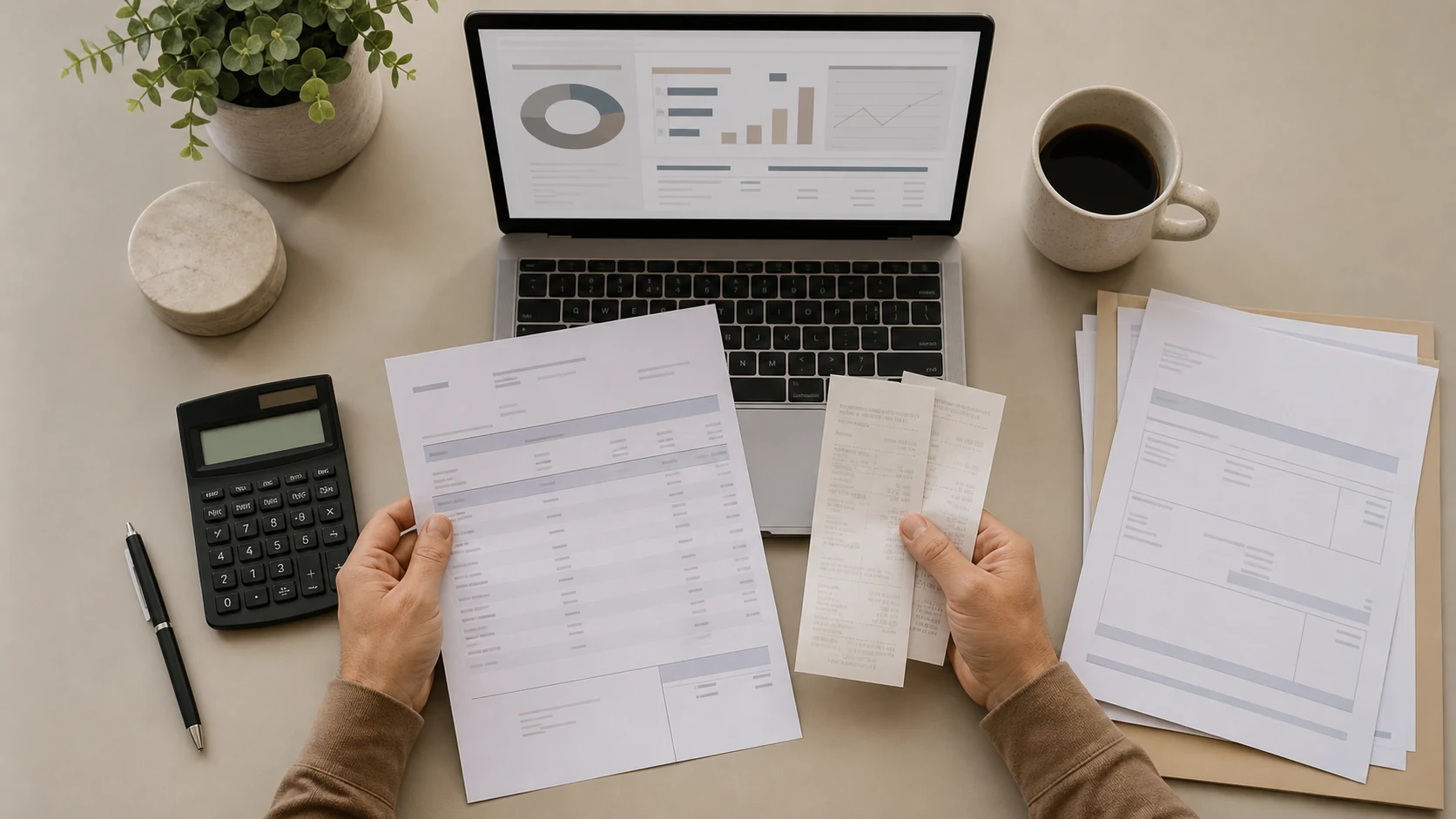
Bank reconciliation is the process of checking that the transactions in your accounting software match the transactions on your bank statement. For a small business, it is one of the simplest ways to know whether your cash records are complete, your invoices have been paid, your expenses have been captured, and your reports can be trusted.
It matters because your bank account is where business activity becomes real cash. If the bank does not agree with your books, your Profit and Loss, balance sheet, GST records and cash flow decisions may all be working from the wrong numbers.
Bank reconciliation turns a list of bank transactions into reliable business records. It helps you spot missing income, duplicated expenses, bank fees, private spending and timing differences before they distort your reports.
Quick Answer
Bank reconciliation means comparing your accounting records with your bank statement for the same period, then matching or explaining each difference. The goal is not just to make a number balance. The goal is to confirm that every bank transaction has been recorded correctly, categorised to the right account, and supported by an invoice, bill, receipt or other business record where needed.
For Australian small businesses, regular reconciliation also supports tax and reporting work. The ATO says business banking records show money coming in and going out, and recommends regularly reconciling records so you understand what money moved through the account and why. The Australian Government’s business record-keeping guidance also lists bank records among the records businesses need to keep.
Key Points
- Reconciliation compares your bank statement with your accounting records.
- It helps catch missing payments, duplicate entries, bank fees, interest, private transactions and errors.
- It makes cash flow, GST/BAS preparation and EOFY records more reliable.
- Bank feeds can reduce manual entry, but they do not remove the need to review and match transactions.
- The best rhythm is regular and boring: weekly or monthly, before problems pile up.
What Gets Compared in a Bank Reconciliation?
A bank reconciliation usually compares two sets of records:
| Record | What it shows | Examples |
|---|---|---|
| Bank statement | Transactions that have cleared the bank | Customer deposits, card sales, supplier payments, bank fees, loan repayments |
| Accounting records | Transactions entered in your bookkeeping system | Invoices, bills, receipts, spend money entries, payroll, journals |
| Reconciliation difference | Items that do not yet agree | Unmatched payments, uncleared cheques, missing fees, duplicated imports, timing differences |
The work is to match the transactions that belong together and investigate anything left over. Sometimes the difference is harmless, such as a payment recorded today that clears the bank tomorrow. Sometimes it points to a real bookkeeping issue, such as income that was never recorded or an expense coded to the wrong account.
Why Bank Reconciliation Matters for Small Businesses
It Protects Cash Flow
Your bank balance tells you what cash is available now, but it does not explain what that cash means. Reconciliation connects cash movements to customers, suppliers, wages, GST, loan payments and owner drawings.
That helps you answer practical questions:
- Which customer payments have actually arrived?
- Which supplier payments have cleared?
- Are there direct debits or bank fees that need to be recorded?
- Has a customer paid the wrong amount?
- Is the bank balance different from the accounting balance because of timing, or because something is missing?
For a small business, those answers can change everyday decisions about paying bills, chasing invoices and planning purchases.
It Makes Reports More Trustworthy
If transactions are missing or duplicated, your reports can look better or worse than reality. Reconciliation gives you a checkpoint before relying on reports such as the Profit and Loss, cash flow statement, accounts receivable ageing, and balance sheet.
For example, a customer deposit that has not been matched to an invoice may leave the invoice showing as unpaid. A supplier payment recorded twice can overstate expenses. A bank fee that has not been entered can leave the bank account balance wrong in your books.
It Supports BAS and Tax Record Keeping
Good reconciliation does not replace tax advice, but it does make BAS and tax work easier to support. If your business is registered for GST, reconciling bank activity helps you check that sales, expenses, GST collected and GST credits are based on complete records.
The ATO’s banking records guidance notes that regular reconciliation may help you be more confident your records contain the information needed for tax returns and activity statements. The Australian Government’s record keeping page also explains that good records help businesses manage cash flow, meet obligations and demonstrate their financial position.
It Finds Errors Earlier
Reconciliation is often where small problems show themselves:
- bank fees or interest that were not recorded
- merchant settlement amounts that do not match sales reports
- private expenses paid from the business account
- duplicate statement imports
- customer payments matched to the wrong invoice
- supplier payments recorded against the wrong bill
- payroll or super payments missing from the books
- transfers between bank accounts recorded as income or expenses
Finding these issues in the same month is far easier than finding them at year end.
How to Reconcile a Bank Account
A simple monthly process works for many small businesses.
- Choose the account and period. Reconcile each business bank account and credit card separately, using the statement closing date and closing balance.
- Bring in bank transactions. Use a bank feed where available, or import a statement file. In Gimbla, the upload bank statement guide explains the manual import workflow.
- Match known transactions. Match bank deposits to customer invoices, supplier payments to bills, and transfers to the other bank account.
- Create missing transactions. Add bank fees, interest, direct debits, receipts or spend money entries that were not already in the system.
- Check GST and account coding. Make sure each transaction is categorised to the right account and tax treatment, especially if it will affect your BAS.
- Investigate anything unmatched. Look for duplicates, incorrect dates, split payments, partial payments, refunds, chargebacks or private transactions.
- Confirm the difference is zero. The statement balance and accounting balance should agree once cleared transactions are matched and explained.
- Save supporting records. Keep invoices, bills, receipts and statement records where you can find them later.
If you are starting with a new file, check the opening balance first. The opening bank balance guide explains why an unreconciled starting balance can throw off future reconciliations.
Manual Reconciliation vs Bank Feeds
Manual reconciliation and bank feeds solve different parts of the problem.
| Approach | Best for | Watch out for |
|---|---|---|
| Manual statement import | Businesses that reconcile from downloaded bank statements | Import errors, missing date ranges, duplicate imports |
| Bank feeds | Businesses that want transactions imported automatically | Still needs review, matching and categorising |
| Paper or spreadsheet comparison | Very small or early-stage businesses | Easy to miss GST, duplicate entries or supporting records |
Bank feeds can save time because transactions flow into the software automatically. But reconciliation still needs judgement. A bank feed may show that $242 left the account; you still need to know whether it was software, supplies, insurance, GST, owner drawings or something else.
Gimbla’s bank feeds and bank reconciliations guides show how imported transactions can be matched, categorised and cleared so the reconciliation difference comes back to zero.
For the Australian connection and matching workflow, read Bank Feeds in Australia: How Open Banking Works in Gimbla.
Common Bank Reconciliation Mistakes
Reconciling Only at Tax Time
Leaving reconciliation until tax time turns a routine bookkeeping task into a memory test. Regular reconciliation keeps the context fresh, especially for cash payments, transfers, refunds and one-off expenses.
Treating Bank Feeds as Finished Bookkeeping
Imported transactions are not the same as reconciled records. They still need to be matched to invoices or bills, coded to the right account, and checked for GST treatment where relevant.
Mixing Personal and Business Spending
Personal transactions in a business account create extra work and can confuse tax records. The ATO notes that partnerships, companies and trusts must have a separate business bank account, while sole traders are not required to but are better off using one to separate business and personal transactions.
Ignoring Small Differences
A small difference can point to a larger pattern: a duplicated bank fee, a recurring subscription coded incorrectly, or merchant payments being recorded before fees are deducted. Investigate small differences while they are still easy to trace.
Forgetting Credit Cards and Loan Accounts
Bank reconciliation is not only for the main transaction account. Credit cards, PayPal or merchant accounts, loan accounts and savings accounts may also need regular review so the balance sheet stays accurate.
A Practical Reconciliation Rhythm
For many small businesses, this rhythm is enough:
| Timing | Reconciliation task |
|---|---|
| Weekly | Match obvious customer payments, direct debits and supplier payments |
| Monthly | Reconcile every bank account and credit card to the statement balance |
| Quarterly | Review GST/BAS accounts, unpaid invoices, unpaid bills and unusual transactions |
| Year end | Confirm all bank, loan, asset, liability and tax balances before final accounts |
If your business has many transactions, tight cash flow or frequent card sales, reconcile weekly. If your business has low transaction volume, monthly may be enough. The important thing is to do it before reports are used for decisions.
Frequently Asked Questions
What is bank reconciliation in simple terms?
Bank reconciliation is checking your accounting records against your bank statement. You match what cleared the bank to what is in your books, then fix or explain anything that does not agree.
How often should a small business reconcile bank accounts?
Monthly is a common baseline, because it lines up with bank statements and management reporting. Weekly is better when there are many transactions, GST/BAS deadlines, staff payments, card sales, or cash flow pressure.
Do bank feeds replace bank reconciliation?
No. Bank feeds reduce manual entry by importing transactions, but reconciliation is the review process that confirms those transactions are matched, categorised and complete.
What happens if bank reconciliation is not done?
Your reports may include missing income, duplicated expenses, unreconciled payments, incorrect GST, or stale invoice balances. That can make cash flow, BAS preparation and year-end accounts harder than they need to be.
Final Thought
Bank reconciliation is not glamorous, but it is one of the most useful habits in small business bookkeeping. It keeps your cash records honest, your reports meaningful, and your BAS or year-end work much easier to review.
Start with one account, one statement period and one simple goal: make the bank statement and your accounting records agree. Once that rhythm is in place, reconciliation becomes less of a clean-up job and more of a quiet control that keeps the business steady.