Do Australian Sole Traders Need Accounting Software?
Published May 19th, 2026 | Updated May 24th, 2026 | Team Gimbla
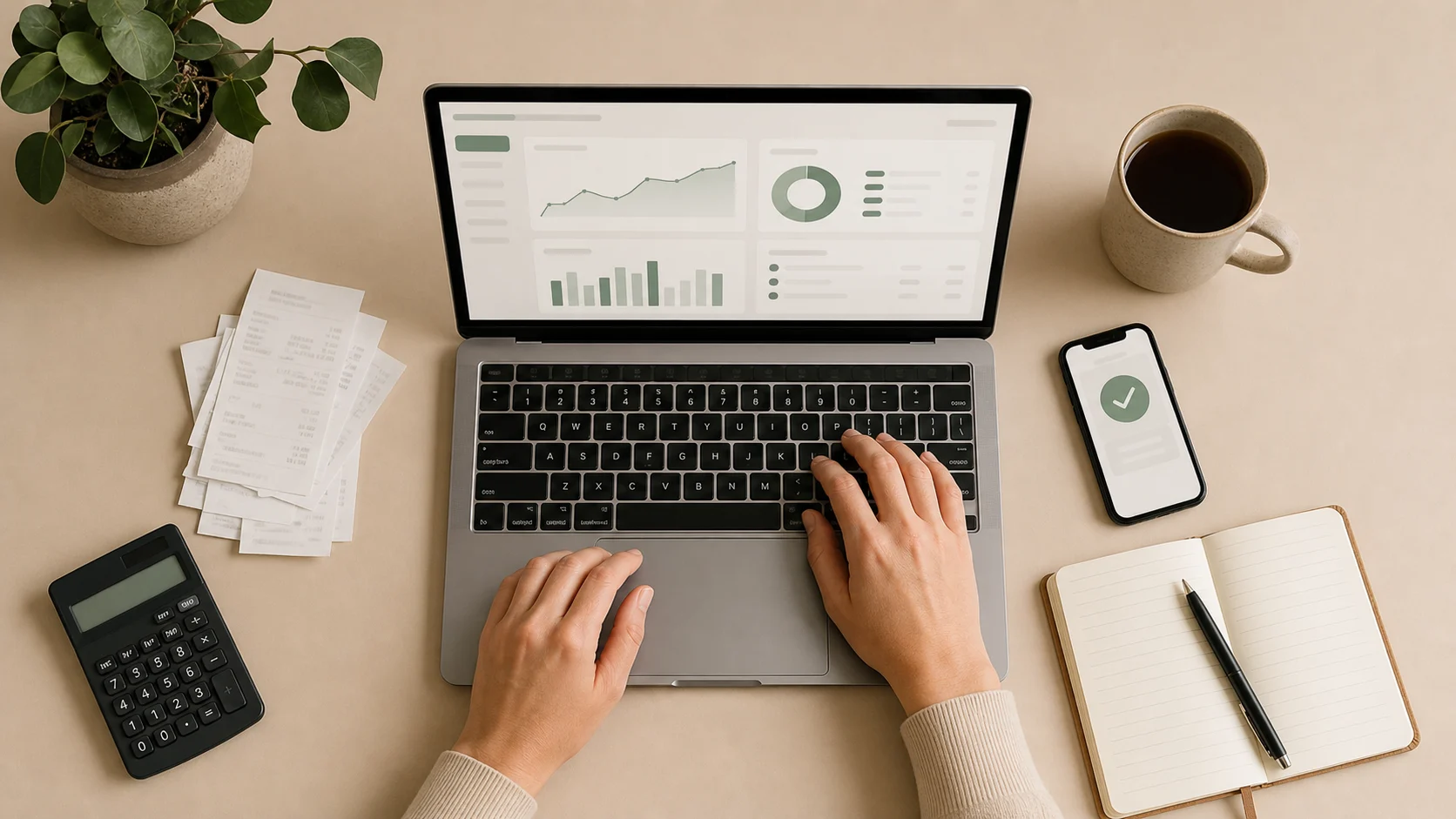
Australian sole traders do not usually need accounting software just because they have an ABN. What they do need is accurate, complete and accessible business records. The Australian Taxation Office says businesses are legally required to keep records for transactions connected to tax, super and registration obligations, and most records need to be kept for five years.
That means a spreadsheet, paper system or the ATO app may be enough for a very simple sole trader. But once you issue invoices, collect GST, claim many expenses, hire staff or want cleaner reports, accounting software can save time and reduce avoidable errors.
Accounting software is not the legal requirement. Good records are. Software becomes useful when it makes those records easier to keep, check and use.
Quick Answer
No, Australian sole traders are not automatically required to use accounting software. You can keep business records on paper or electronically, as long as they meet the ATO’s record-keeping rules.
Accounting software is worth considering when you need to:
- issue invoices and track who has paid
- separate personal and business spending
- manage GST and prepare BAS information
- keep receipts, bills and bank records together
- see profit, cash flow and tax-ready reports
- run payroll or report through Single Touch Payroll
Key Points
- A sole trader reports business income in their individual tax return, rather than lodging a separate company return. The ATO explains that sole traders declare business income in their individual tax return.
- The legal obligation is record keeping, not the purchase of a paid accounting package.
- Most business records must be kept for five years, and some records may need to be kept longer.
- GST registration, employee payroll, frequent invoices and mixed personal/business spending are common signs that software will make life easier.
- Free or low-cost software can be a good middle ground before a sole trader needs a larger accounting system.
What Records Do Sole Traders Need To Keep?
Sole traders need records that explain business income, business expenses and tax positions. The ATO’s business record-keeping rules cover documents related to income and expenses, as well as records that support choices, estimates and calculations made for tax and super affairs.
In practice, this usually includes:
- sales invoices, receipts and payment records
- business expense receipts and supplier bills
- bank and credit card statements
- loan, lease, asset and depreciation records
- GST records if you are registered for GST
- PAYG withholding, super and employee records if you employ people
- worksheets or notes showing how you split business and private use
The Australian Government’s record keeping guidance also notes that records must generally be in English, or easily translated into English, and stored so they are protected from change or damage.
Spreadsheet, ATO App Or Accounting Software?
There is no single right system for every sole trader. The best choice depends on transaction volume, GST, payroll, your confidence with spreadsheets and whether someone else needs to review the records.
| Option | Best suited to | Watch-outs |
|---|---|---|
| Paper or manual records | Very small businesses with few transactions and simple receipts | Easy to misplace records, slower to total income and expenses, harder to back up |
| Spreadsheet | Sole traders who are confident with formulas and have simple income and expense categories | Formula errors, version control problems, limited invoice and BAS workflow |
| ATO myDeductions | Sole traders with simple affairs who want to record income, expenses and vehicle trips | Not a full accounting system for invoices, bills, bank reconciliation or management reports |
| Accounting software | Sole traders who invoice clients, reconcile bank transactions, manage GST, prepare BAS or want cleaner reports | Choose software that suits your actual workflow, not just the longest feature list |
The ATO says sole traders with simple affairs can use myDeductions in the ATO app to help track business income and expenses. That can be a sensible starting point, especially for a side business or early-stage sole trader.
When Accounting Software Becomes Worth It
Accounting software becomes valuable when it removes repeated admin or makes your records more reliable. For many sole traders, the tipping point is not business size. It is complexity.
You Send Regular Invoices
If you invoice clients every week or month, software helps you issue invoices, record payments and follow up overdue amounts. It also gives you a clearer view of accounts receivable, instead of relying on memory or a manually updated spreadsheet.
You Are Registered For GST
You must generally register for GST when your GST turnover is $75,000 or more, or when you expect to reach that threshold in the first year. Some businesses, such as taxi, limousine and ride-sourcing operators, have different GST registration rules. The ATO’s GST registration guidance explains the threshold and how current and projected GST turnover are worked out.
Once you are registered, you need to track taxable sales, GST collected, GST credits and BAS amounts. Software will not remove the need to review your records, but it can make GST coding and BAS preparation much less manual.
You Mix Business And Personal Spending
Sole traders often start by using an existing bank account. That can work, but it makes bookkeeping harder when groceries, subscriptions, client payments and business purchases sit together.
The ATO notes in its banking records guidance that a separate business bank account can make records easier for sole traders. Accounting software also helps because transactions can be categorised, reconciled and reviewed in one place. If you need to split mixed-use expenses, keep the working papers or notes that show how you calculated the business portion.
You Hire Employees Or Pay Contractors
If you employ staff, your record-keeping obligations become more serious. The Fair Work Ombudsman says employers must keep accurate and complete employee records, generally for seven years, and issue pay slips. The ATO also requires many employers to report payroll information through Single Touch Payroll.
At that point, a basic spreadsheet may no longer be enough. Payroll, PAYG withholding, super and leave records need a more controlled process.
A Practical Decision Checklist
Use this checklist before choosing a system:
- Count your monthly transactions, including card payments, transfers, invoices, bills and cash purchases.
- Check whether you are registered for GST or getting close to the $75,000 GST turnover threshold.
- Decide whether you need to send professional invoices and track unpaid customer balances.
- Review how often you lose receipts or need to reconstruct expenses at tax time.
- Ask whether a bookkeeper, accountant or tax agent needs easy access to your records.
- Consider whether you need payroll, super, STP, project tracking, bank feeds or multi-currency.
If you only have a few income items and expenses each month, a simple spreadsheet or the ATO app may be fine. If you answer “yes” to several items above, accounting software will probably pay for itself in saved admin, fewer errors and cleaner reporting.
What Sole Traders Can Do In Gimbla
Gimbla is built for small businesses and sole traders that want practical accounting tools without unnecessary complexity. You can use it to keep income, expenses, invoices, bills, contacts and reports organised in one place.
For a sole trader, that can mean:
- creating customer invoices with the invoice guide
- recording payments and direct receipts
- adding bank accounts and reviewing transactions
- completing bank reconciliations
- managing GST or sales tax settings with the GST guide
- reviewing profit and loss, balance sheet and cash flow information
If you are comparing tools, start with the job you need the software to do this month. For many sole traders, the first goal is simple: stop chasing loose receipts and spreadsheets, and keep records tidy enough for tax time.
Common Mistakes To Avoid
Waiting Until Tax Time To Sort Everything
Bookkeeping is much easier when transactions are reviewed weekly or monthly. Waiting until the end of the financial year makes missing receipts, duplicate expenses and unpaid invoices harder to fix.
Treating Bank Statements As The Whole Record
Bank statements are useful, but they do not always explain what was bought, whether GST was included, or how a mixed-use cost was split. Keep receipts, tax invoices and notes that support the tax treatment.
Forgetting GST Before You Reach The Threshold
If your income is growing, watch your current and projected GST turnover. Software can help you monitor sales trends, but you still need to understand when registration becomes required.
Using Software Without A Routine
Software is only helpful if you use it consistently. Set a simple rhythm: send invoices promptly, upload receipts, reconcile bank transactions and review your reports before BAS or tax time.
Frequently Asked Questions
Can A Sole Trader Use A Spreadsheet For Tax Records?
Yes. A spreadsheet can be acceptable if it produces accurate, complete records and you keep the supporting documents. The risk is that spreadsheets are easy to break, duplicate or forget to update, especially once invoices, GST or many transactions are involved.
Is Accounting Software Tax Deductible For Sole Traders?
Software used for business record keeping may generally be a business expense, but the deduction depends on your circumstances and business use. Keep the invoice or receipt and ask your accountant or tax agent if you are unsure.
Do Sole Traders Need Accounting Software For GST?
Not strictly. You can keep GST records manually, but accounting software makes GST tracking and BAS preparation much easier because sales, purchases and tax codes can be reviewed in one system.
What Is The Simplest Setup For A New Sole Trader?
Open a separate bank account for business activity, choose a record-keeping system you will actually maintain, keep receipts as you go, and review income and expenses each month. Upgrade to accounting software when invoices, GST, BAS or reporting start taking too much time.
The Bottom Line
Australian sole traders do not need accounting software by default. They need reliable records that meet ATO requirements and make tax time manageable.
If your business is simple, start simple. If you are invoicing regularly, approaching GST registration, mixing personal and business spending, or preparing for payroll, accounting software becomes a practical way to stay organised and make better decisions from your numbers.