Sole Trader
A sole trader is a business structure where one person owns and operates the business. Because the owner and the business are legally connected, it is especially important to keep financial records tidy and understand how money moves in and out of the business. Topics such as expense tracking, owner’s drawings, tax obligations, and cash flow management are all essential for sole traders who want accurate books and better visibility over business performance. With the right accounting processes, sole traders can stay organized and make decisions with greater confidence.
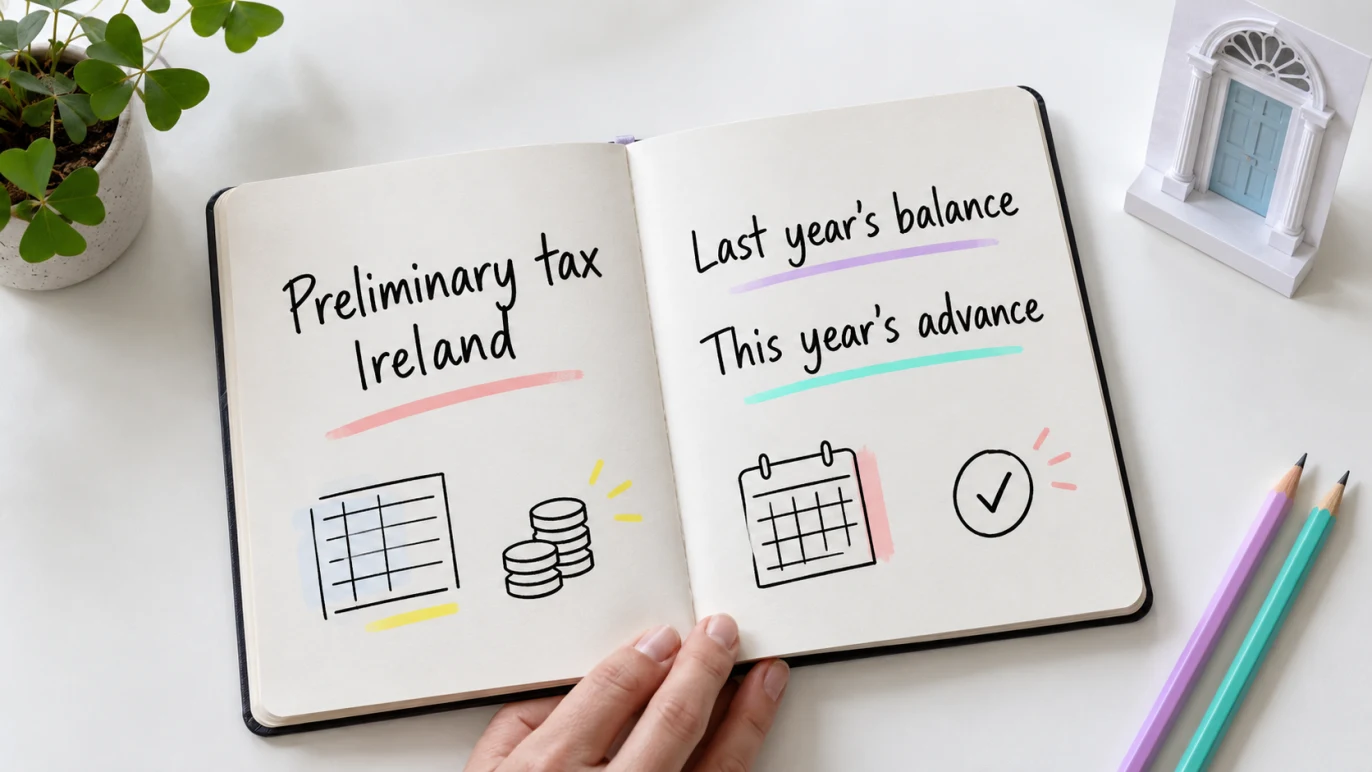
Preliminary Tax in Ireland: Plan Your 2026 Payment
Prepare for Ireland’s 2026 Pay and File deadline. Work out preliminary tax, separate last year’s balance and build a cash plan with a simple sole-trader example.
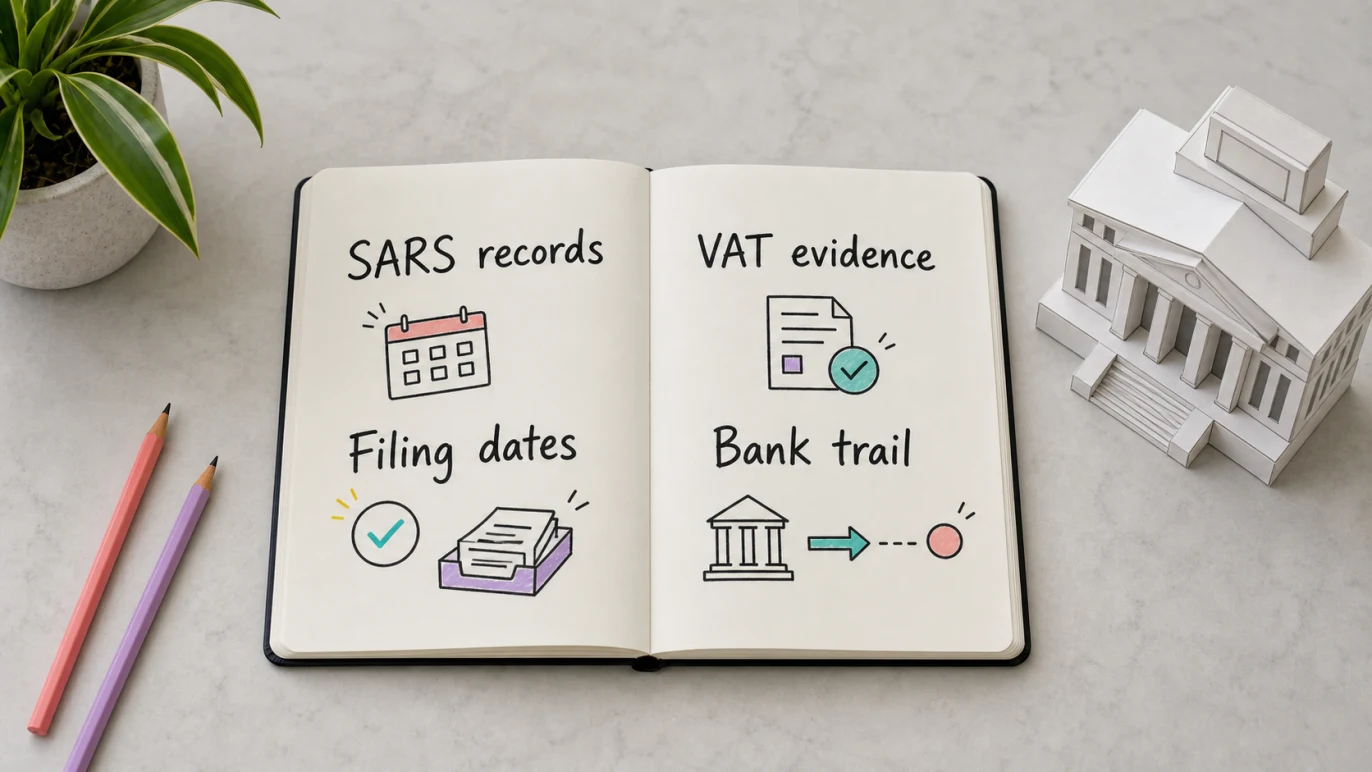
South Africa Tax Records To Check Before SARS Filing Season 2026
South African sole traders and small companies can use SARS Filing Season 2026 to check invoices, VAT, payroll, bank and CIPC records.
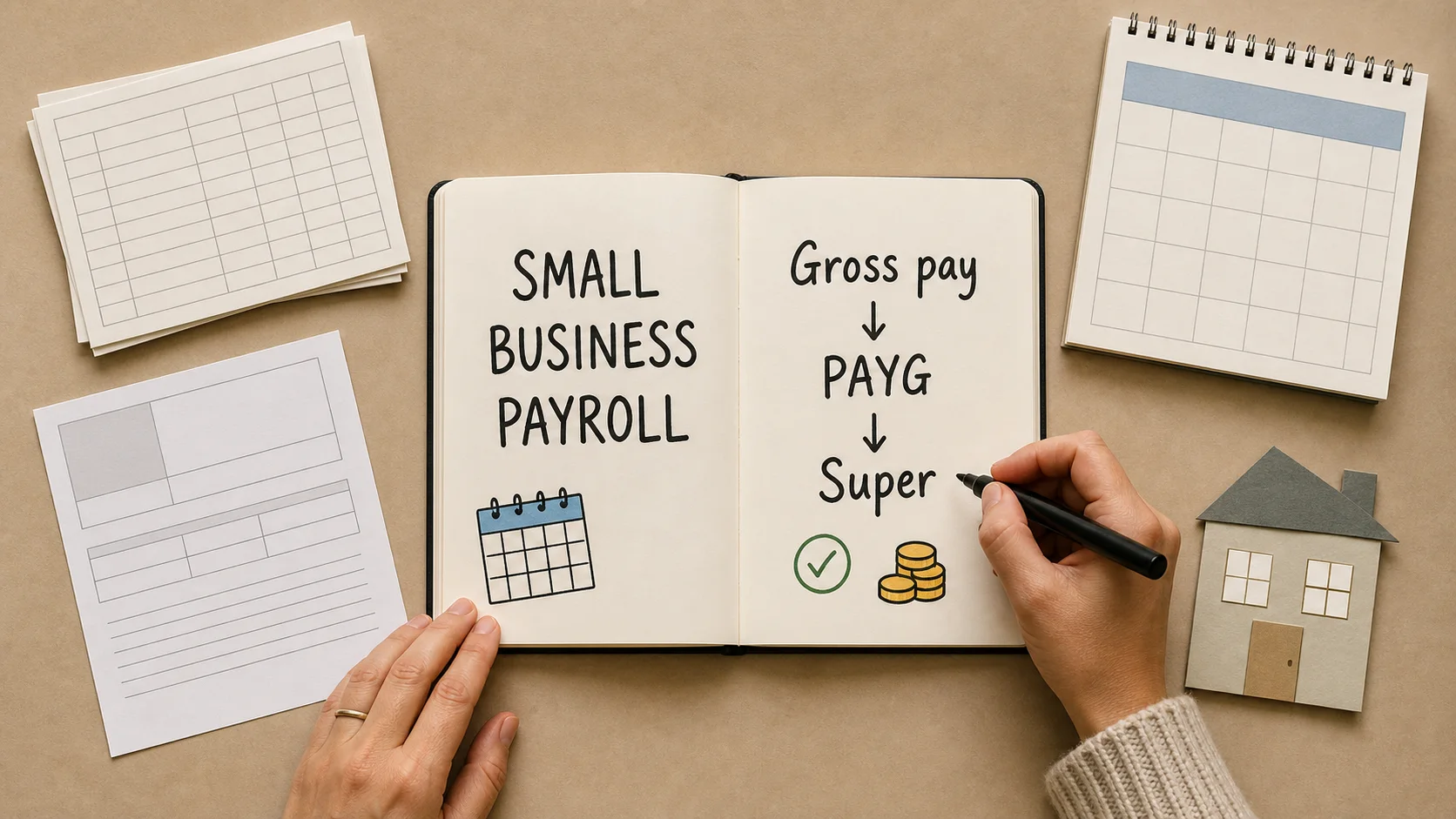
Payroll for Small Business in Australia: A Simple Guide
Learn the basic payroll steps for Australian small businesses, including gross pay, PAYG withholding, STP, super, payslips and records.
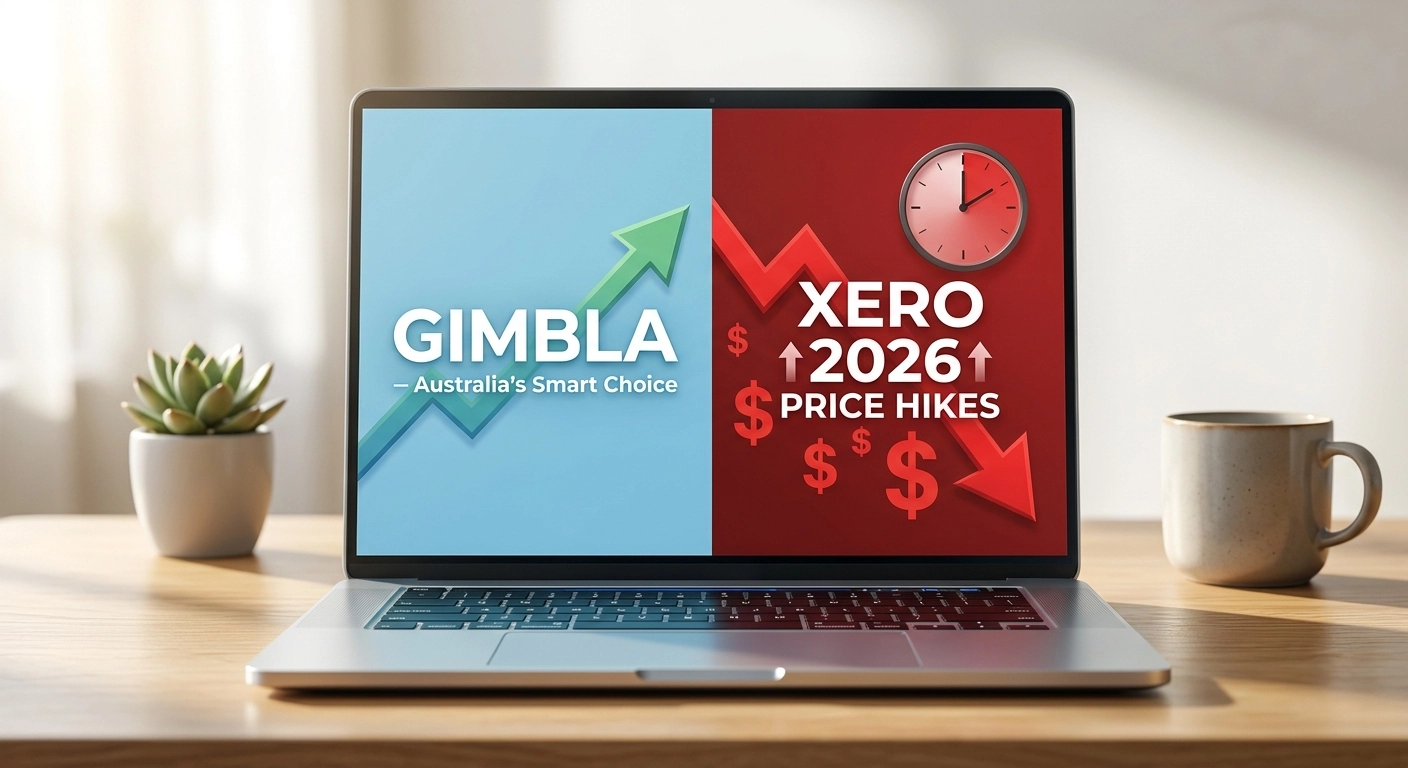
Xero Pricing Australia 2026: Current Plans vs Gimbla
Compare Xero's current Australian prices with Gimbla Plus, including regular monthly costs, payroll, BAS, multi-currency and switching checks.
Getting an ABN Number: A Practical Guide for Small Businesses
Learn when you need an ABN, how to apply through the ABR, and what to set up next for invoices, GST, PAYG and records.
Do You Need Payroll Software for One Employee?
Wondering if one employee means payroll software? Learn the Australian STP, PAYG, super and payslip rules for tiny employers, and when software helps.
Do Australian Sole Traders Need Accounting Software?
Do sole traders need accounting software in Australia? Learn when spreadsheets are enough, when software helps, and what ATO records you must keep.