Accounting
Accounting software has revolutionized the way businesses manage their financial information and streamline their bookkeeping processes. These software solutions, ranging from simple platforms for small businesses to robust systems for large enterprises, automate various financial tasks, such as invoicing, expense tracking, payroll processing, and tax calculations. By leveraging advanced algorithms and cloud-based technologies, accounting software not only enhances accuracy and efficiency but also provides real-time insights into a company’s financial health. Features like automatic updates and bank reconciliations save valuable time for businesses, allowing them to focus on strategic decision-making rather than manual data entry. Furthermore, the accessibility of these tools from multiple devices fosters collaboration among team members, accountants, and stakeholders. As businesses increasingly embrace digital transformation, accounting software continues to play a crucial role in facilitating financial management, compliance, and overall operational efficiency.
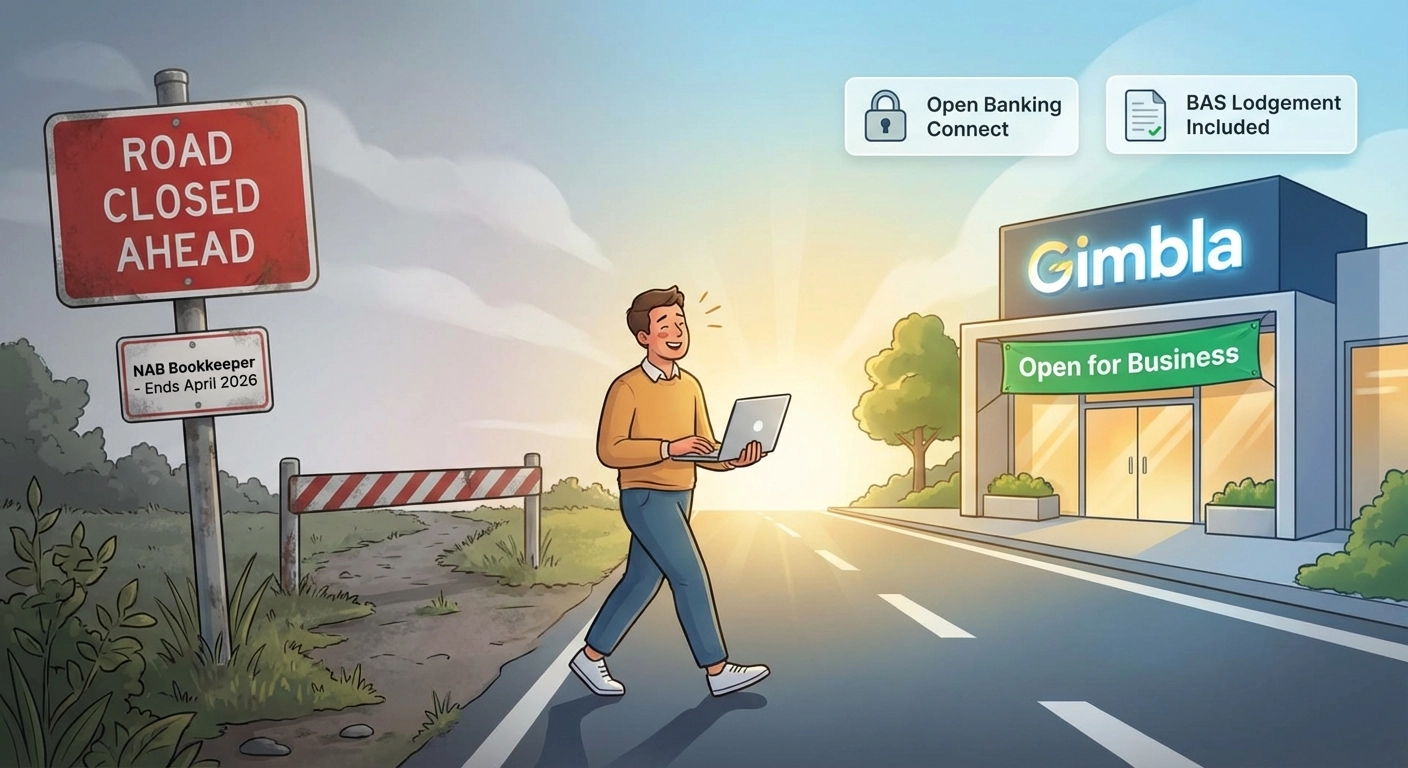
NAB Bookkeeper Closed: What Former Users Should Check
NAB Bookkeeper closed after April 2026. Check record exports, bank feeds, BAS continuity and Gimbla options before choosing a replacement.

WFH Electricity for Company Directors: Deductions, Reimbursements and FBT
Learn how Australian company directors should separate personal WFH deductions, company reimbursements, electricity records, FBT and tax checks.
Best Accounting Software in Australia: 2026 Comparison
Compare the best accounting software in Australia by price, free-plan limits, GST/BAS, bank feeds, payroll/STP, users, data location and support.
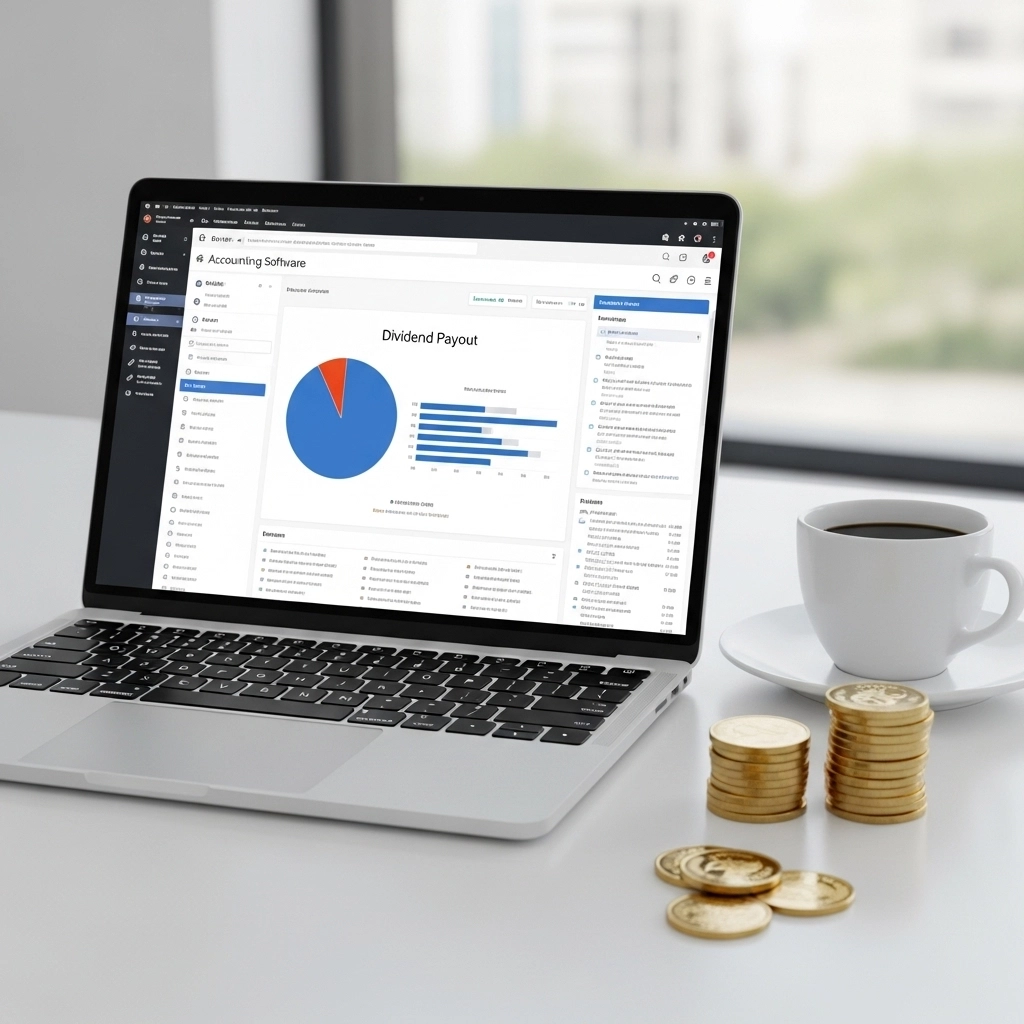
How to Record Dividend Payouts in Australia
Record Australian dividend payouts with journal entries for declarations, payments, franking credits, statements and director loan accounts.

Investing Activities in Cash Flow: Examples and Formula
Learn what investing activities mean in a cash flow statement, with the formula, asset purchase examples and small-business review checks.

Managing Invoices and Payment Reminders for Small Business
Learn how to send clear invoices, set payment terms, follow up overdue customers and keep accounts receivable tidy in Gimbla.

Australian Financial Year Dates: EOFY Guide for Small Business
Australian financial year dates, EOFY meaning, and the small-business records to check before 30 June, including BAS, payroll and reports.